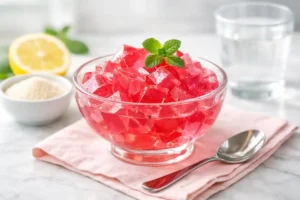
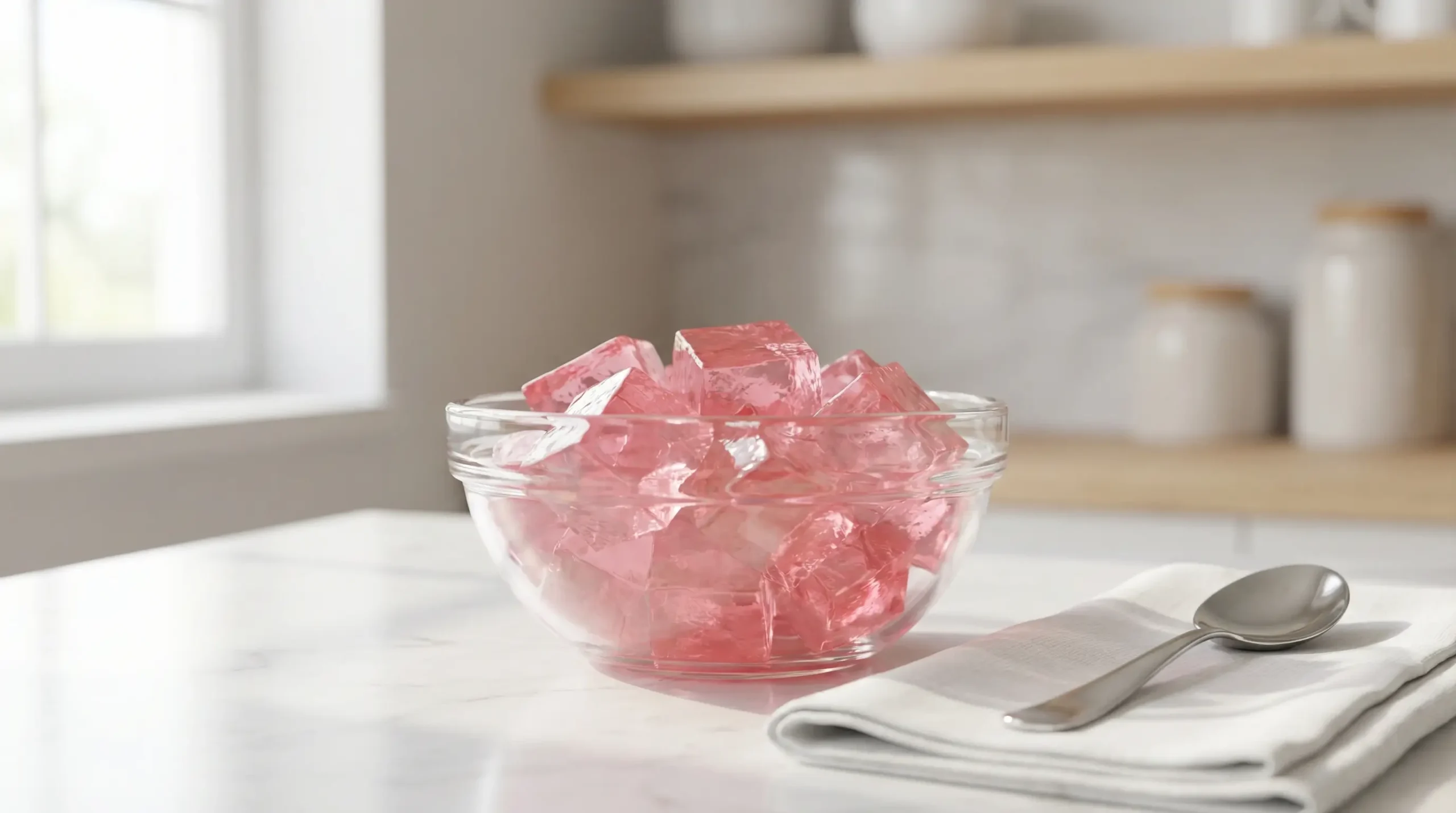
The internet loves a simple wellness shortcut. Every few months, a classic home remedy gets repackaged, given a catchy name, and propelled across social media feeds. The latest phenomenon capturing attention is the Dr Oz Pink Gelatin Recipe for Weight Loss—often referred to simply as the “pink gelatin trick.”
Proponents claim that consuming this colorful, shaky snack or warm drink shortly before meals can blunt appetite, kickstart a sluggish metabolism, and even melt stubborn fat overnight. But whenever celebrity health claims merge with viral trends, it is essential to separate medical fact from digital folklore.
Is this recipe an official, clinically backed weight-management protocol, or is it merely clever branding wrapped around a basic kitchen staple? Let’s analyze the biological mechanisms, dissect the recipe, review the actual scientific evidence, and determine whether the pink gelatin trick deserves a place in your wellness routine.
Fact-Checking the Trend: Real or Fake?
To understand whether the Dr Oz Gelatin Recipe is real or fake, we have to look at how media trends evolve. The phrase “Dr. Oz pink gelatin recipe” does not refer to a single, proprietary product you can buy off a grocery shelf. Instead, it is a hybrid trend that combines two separate concepts popularized over the years.
Originally, daytime television segments highlighted the use of low-calorie, gelatin-based snacks as a tool for bariatric patients or individuals trying to manage intense hunger between meals. Separately, variations of a liquid “Slimdown Drink”—combining grapefruit juice, apple cider vinegar, and honey—circulated under similar celebrity endorsements.
Recently, digital creators merged these ideas into a single viral sensation: the “pink gelatin trick.” By dissolving unflavored gelatin into a warm, pink-tinted liquid (usually unsweetened grapefruit or cranberry juice) and consuming it before meals, users created a cheap, highly visual satiety ritual.
-
The Recipe is Real: You can easily make a low-calorie, high-protein pink gelatin snack at home for pennies.
-
The “Magic” is Fake: Gelatin possesses no hidden chemical properties that actively burn fat or boost your baseline metabolic rate. Any weight loss achieved through this method is the result of saving calories and managing hunger, not structural metabolic alteration.
The Biological Mechanism: How Gelatin Affects Appetite
The reason the pink gelatin recipe for weight loss works for some individuals has nothing to do with magic and everything to do with basic human physiology. Gelatin is derived from collagen, a structural protein found in animal connective tissues. When isolated, gelatin is a near-pure protein source containing a unique profile of amino acids, particularly glycine and proline.
When you consume protein, your digestive system undergoes a complex hormonal cascade that signals fullness to your brain.
1. Vagus Nerve Activation and Gastric Distension
Whether consumed as a warm, viscous drink or a chilled, solid gel, gelatin occupies physical volume in the stomach. As it mixes with gastric fluids, it contributes to gastric distension (the physical stretching of the stomach wall). This stretching triggers mechanoreceptors, which send immediate neural signals via the vagus nerve to the solitary tract in the brainstem, indicating that food has arrived and reducing the immediate drive to overeat.
2. The Release of Peptide YY (PYY) and GLP-1
Protein is widely recognized as the most satiating macronutrient. When digested fragments of gelatin reach the small intestine, they stimulate enteroendocrine L-cells to release crucial satiety hormones, specifically Peptide YY (PYY) and Glucagon-Like Peptide-1 (GLP-1). These hormones actively slow gastric emptying—meaning food stays in your stomach longer—and bind to receptors in the hypothalamus to dampen hunger signals.
A study published in The Journal of Clinical Endocrinology & Metabolism demonstrated that gelatin stimulates a robust rise in these satiety hormones. Interestingly, the researchers found that gelatin increased satiety significantly more than certain other protein sources, such as casein, when consumed in equal amounts.
The Recipe: How to Make the Authentic Pink Gelatin Trick
If you want to try this method as an appetite-management tool, avoid commercial, pre-packaged strawberry or raspberry gelatin boxes. Those versions are typically loaded with refined sugars or artificial sweeteners, chemical dyes, and preservatives that can cause blood glucose spikes or GI distress. Instead, construct a clean-label, nutrient-dense version at home.
The Standard Preparation
| Ingredient | Portion | Purpose |
| Unflavored Gelatin Powder | 1 tablespoon (approx. 7–10 grams) | Pure protein base, structural gelling agent |
| Hot Water or Herbal Tea | ½ cup | Dissolves the gelatin crystals |
| Unsweetened Pink Grapefruit or Cranberry Juice | ½ cup | Provides the “pink” color, natural flavor, and Vitamin C |
| Lemon Juice (Optional) | 1 teaspoon | Adds acidity to balance the flavor |
| Pink Himalayan Salt (Optional) | 1 pinch | Introduces trace minerals and cuts bitterness |
Step-by-Step Preparation Protocol
To ensure the gelatin dissolves correctly without clumping, follow this precise culinary sequence:
1. Bloom the Gelatin: Pour ½ cup of cold, unsweetened pink juice or cold water into a small bowl. Sprinkle 1 tablespoon of unflavored gelatin evenly across the surface. Let it sit undisturbed for 5 minutes. The powder will absorb the liquid and swell; this process is called “blooming” and ensures a smooth texture.
2. Dissolve with Hot Liquid: Bring ½ cup of water or herbal tea to a near-boiling state. Pour the hot liquid directly over the bloomed gelatin mixture. Whisk vigorously for 60 to 90 seconds until all gelatin crystals are completely dissolved and no granules remain at the bottom.
3. Choose Your Serving Style:
- Option A (The Warm Drink): Let the liquid cool slightly to a comfortable drinking temperature and consume it immediately as a warm broth before your meal.
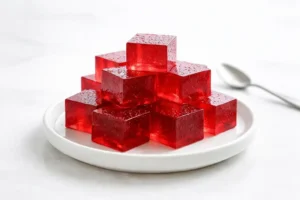
- Option B (The Chilled Cubes): Pour the liquid into a shallow glass dish or silicone molds. Place it in the refrigerator for 2 to 3 hours until completely set. Slice into firm pink cubes to use as a portion-controlled snack.
What the Science Actually Says: Reviewing Clinical Evidence
While the physiological mechanism of protein-induced satiety is clear, we must look critically at the limitations of clinical research regarding gelatin specifically.
The Positives: Satiety and Caloric Displacement
Clinical trials examining gelatin’s role in weight management generally focus on its ability to lower overall caloric intake. A study published in the peer-reviewed journal Appetite investigated the effects of various proteins on breakfast consumption. Participants who consumed a gelatin-based option reported feeling significantly more satisfied and naturally ate roughly 20% fewer calories at their next meal compared to those who consumed other protein types.
By consuming a ½-cup serving of homemade pink gelatin—which contains roughly 15 to 25 calories and 6 grams of protein—30 minutes before lunch or dinner, you are practicing caloric displacement. You are filling your stomach with a low-energy-density food, which makes it easier to pass up high-calorie appetizers, large portions, or mindless afternoon snacks.
The Limitations: Early-Stage and Mixed Data
Approach the “gelatin trick” with realistic expectations.
-
No Direct Fat Burning: There is zero peer-reviewed evidence proving that gelatin accelerates the breakdown of stored fat or alters your metabolic rate overnight.
-
Incomplete Protein Profile: Gelatin is an incomplete protein. It lacks tryptophan, one of the essential amino acids your body cannot manufacture on its own. Therefore, it cannot be used as a structural replacement for complete protein sources like wild-caught fish, organic eggs, or lean meats.
-
Short-Term Effects: Most studies surrounding gelatin and appetite control are short-term, acute intervention trials. Long-term, large-scale clinical trials tracking whether a daily gelatin ritual sustains weight loss over 12 to 24 months are currently missing.
Beyond Weight Loss: Secondary Benefits of Gelatin
If you decide to incorporate the Dr Oz Gelatin Recipe into your daily routine, you may experience a few secondary, health-supportive benefits that stem from its high concentration of specific amino acids.
1. Structural Integrity of the Gut Lining
Gelatin is rich in glycine, an amino acid that plays an essential role in protecting and repairing the delicate mucosal lining of the digestive tract. The Harvard T.H. Chan School of Public Health notes that maintaining a strong intestinal barrier is crucial for preventing systemic, low-grade inflammation, which is frequently linked to metabolic dysfunction and weight gain.
2. Endogenous Collagen Production
Because gelatin is essentially cooked collagen, it provides the exact cellular building blocks (glycine, proline, and hydroxyproline) needed to support skin elasticity, joint health, and connective tissue repair. When paired with the Vitamin C naturally found in grapefruit or cranberry juice, your body can synthesize these amino acids into structural collagen more efficiently.
Potential Side Effects and Safety Considerations
While gelatin is generally recognized as safe (GRAS) by global health authorities, slamming down multiple cups of gelatin water a day can cause unexpected issues.
-
Gastrointestinal Distress: Gelatin absorbs a massive amount of liquid in the digestive tract. If you do not consume enough water alongside it, you may experience bloating, abdominal cramping, or mild constipation.
-
Bariatric and Clinical Exceptions: If you are post-bariatric surgery or managing a specific clinical gastrointestinal condition, your stomach volume and fluid transit times are highly modified. You must strictly follow your clinic’s rules regarding drinking liquids close to solid meals, as separating liquids from solids is often required to avoid dumping syndrome.
-
Sourcing Awareness: Always choose high-quality, grass-fed, pasture-raised bovine or porcine unflavored gelatin. Cheap, industrially produced gelatins can carry residues of heavy metals or agricultural chemicals used in commercial livestock farming.
Key Takeaways
-
The Satiety Anchor: The Dr Oz pink gelatin recipe for weight loss is not a miracle fat burner. It is a practical, low-calorie satiety anchor that leverages protein to stimulate full-body fullness hormones (GLP-1 and PYY).
-
Caloric Displacement: Its primary benefit comes from replacing high-calorie snacks or naturally reducing your portion sizes during subsequent meals by creating physical fullness in the stomach.
-
Incomplete Protein: Gelatin lacks the essential amino acid tryptophan and must never be used as a total meal replacement or as your sole source of dietary protein.
-
Simple, Clean Assembly: Avoid sugary commercial boxes. Bloom and dissolve premium, unflavored grass-fed gelatin in hot water, and add a splash of unsweetened cranberry or grapefruit juice for an authentic, clean-label ritual.
Frequently Asked Questions (FAQs)
Q. Can I just buy pre-made pink gelatin at the grocery store?
No, there is no single, branded commercial product called “Dr. Oz Pink Gelatin.” Commercial pre-packaged pink gelatin cups are typically full of artificial coloring (like Red 40), chemical preservatives, and refined sugars or artificial sweeteners. To get the health and weight management benefits discussed, you should make it yourself using unflavored gelatin and real, unsweetened juice.
Q. How many times a day should I use the pink gelatin trick?
The most effective approach is to consume ½ to 1 cup of the pink gelatin mixture once per day, roughly 15 to 30 minutes before your most problematic meal—typically late afternoon when snack cravings strike, or right before dinner to support portion control. Consuming more than 2 cups a day may cause abdominal bloating or constipation due to its high liquid-binding capacity.
Q. Does the pink gelatin trick work while you sleep?
Social media videos claiming that a spoonful of gelatin before bed “melts fat in your sleep” are entirely false. Gelatin does not possess thermogenic properties that destroy adipose tissue overnight. If taking it at night helps you avoid a high-calorie, sugary late-night dessert, you will save calories, which supports weight loss over time—but the weight loss is due to a caloric deficit, not an overnight metabolic miracle.
Q. Can I substitute hydrolyzed collagen peptides for gelatin powder?
While hydrolyzed collagen peptides share a nearly identical amino acid profile, they behave differently in fluid. Collagen peptides have been broken down into smaller fragments, meaning they dissolve easily in cold water and will not gel or thicken. Gelatin retains its long-chain structure, which allows it to form a gel. This gelling property slows down gastric emptying and physically distends the stomach wall, making gelatin more effective for direct, physical appetite suppression than standard collagen powder.
Scientific References
-
The Journal of Clinical Endocrinology & Metabolism: “Effect of Gelatin Versus Casein on Satiety Hormones and Subsequent Energy Intake.” This clinical study demonstrates that gelatin stimulates a more robust release of satiety peptides like GLP-1 and PYY compared to certain other proteins.
-
Appetite Journal: “Single-protein meals and satiety: Gelatin vs. other protein sources.” Researchers found that individuals who consumed gelatin-based breakfasts reported higher fullness scores and naturally reduced their calorie consumption at lunch by roughly 20%.
-
Harvard T.H. Chan School of Public Health: “Collagen and Skin/Gut Health Analysis.” Contextual documentation regarding the roles of glycine and proline in supporting the structural integrity of mucosal barriers and joint health.