Every few months, social media algorithms package an ordinary pantry staple into a metabolic miracle. The latest phenomenon capturing attention across TikTok and YouTube is the “gelatin trick,” frequently searched as the Dr Gupta Bariatric Gelatin Recipe.
Promoted via heavily edited videos and AI deepfakes, online claims suggest that a specific gelatin mixture can suppress appetite, mimic weight loss surgery, and rapidly melt away visceral fat. To make this strategy look official, scammers have slapped the name of neurosurgeon and medical journalist Dr. Sanjay Gupta onto the trend.
If you strip away the misleading marketing, you find a legitimate piece of nutritional science. The Dr. Sanjay Gupta Gelatin Recipe itself is a total internet scam—Dr. Gupta did not invent it, has never endorsed it, and has publicly warned against the deepfake ads using his likeness. However, drinking hydrated collagen protein before a meal to trigger fullness is a well-known strategy in clinical nutrition.
This review breaks down the actual science behind the Dr Gupta Bariatric Gelatin Weight Loss trend, explains how it impacts your body, and gives you a safe way to try it at home without the internet hype.
Fact-Checking the Scam: The Truth About the “Dr. Gupta” Endorsement
Let’s be completely direct: Dr. Sanjay Gupta has absolutely nothing to do with this viral protocol. Shady companies are using AI voice cloning and stolen video clips to make it look like he is promoting unflavored gelatin powders and weight loss supplements.
In the medical world, this is called an “authority wrapper.” Marketers take a cheap, everyday item, pair it with a trusted doctor’s face, and create a false sense of medical validation to get you to click a link or buy a specific brand.
Why is it Called a “Bariatric” Trick?
The word “bariatric” comes from actual weight loss surgery protocols. After procedures like a gastric sleeve or gastric bypass, a patient’s stomach can only hold a few ounces of food. In the early weeks of recovery, they have to hit high protein goals but can only handle liquids.
Because gelatin dissolves cleanly into warm liquids and is easily digested, bariatric dietitians often use sugar-free gelatin to help patients get their protein without stretching their healing stomachs. Social media influencers hijacked this clinical tool and repackaged it as a general weight loss shortcut for everyone.
How Gelatin Actually Affects Your Appetite?
Gelatin is not a fat burner. It does not contain any hidden ingredients that speed up your metabolism, spike your body heat, or break down fat cells. If you lose weight using this method, it is entirely because of two simple concepts: physical stomach volume and protein-driven fullness.
1. Stretching the Stomach
Gelatin comes from collagen, a structural protein found in animal connective tissue. It is rich in specific amino acids like glycine and proline. When you dissolve unflavored gelatin powder in warm water and drink it, it hits your stomach and begins to cool down, thickening into a loose, heavy liquid matrix.
This creates two physical reactions in your digestive tract:
-
Triggering Fullness Sensors: The physical volume of the liquid stretches your stomach walls. This activates tension-sensitive receptors that immediately tell your brain you’ve eaten something substantial.
-
Slowing Down Digestion: Thick, viscous liquids take longer to pass through the stomach into the small intestine. By putting the brakes on your digestion, the gelatin keeps you feeling physically full for a longer period.
2. Satiety Hormones
Gram for gram, protein keeps you full longer than carbs or fats. When the broken-down proteins in gelatin hit your small intestine, they trigger the release of natural appetite-suppressing hormones:
-
CCK (Cholecystokinin): Slows down stomach movement and signals your brain that you are satisfied.
-
GLP-1 and PYY: These hormones act as an internal braking system, telling your central nervous system that your body has received nutrients, which helps lower the urge to keep eating.
The Recipe: How to Make the Gelatin Drink Safely
If you want to try using gelatin for appetite control, you need to prepare it correctly. A major issue with the viral videos is that influencers often tell people to mix way too much powder into tiny amounts of water. Ingesting thick, improperly dissolved gelatin can cause a genuine choking hazard or get stuck in your esophagus.
This protocol outlines a safe, low-calorie way to prepare the drink at home using standard, unflavored pantry gelatin.
| Specification | Target Guideline |
| Primary Ingredient | 1 Tablespoon (~7 to 9 grams) of pure, unflavored gelatin powder |
| Step 1: Cold Liquid | 1/4 Cup of cold water or cold unsweetened tea |
| Step 2: Hot Liquid | 3/4 Cup of hot water or hot brewed tea (around 170°F; not boiling) |
| Nutritional Value | ~30 Calories, 6–8 grams of protein, 0g Carbs, 0g Fat |
| When to Drink It | 15 to 30 minutes before your largest meal of the day |
Step-by-Step Instructions
1. The Blooming Step
Pour 1/4 cup of cold water or cold green tea into a mug. Slowly sprinkle 1 tablespoon of unflavored gelatin evenly across the top of the liquid. Do not just dump it in a big clump, or the center will stay dry. Let it sit completely still for 2 to 3 minutes. This is called “blooming.” The powder will absorb the cold liquid and turn into a soft, wrinkled sponge.
2. The Dissolving Step
Pour 3/4 cup of hot (but not boiling) liquid directly over the spongy gelatin. Stir continuously for a full minute. Check the bottom of the cup to make sure there are no raw granules or gummy strings left behind. The liquid needs to be perfectly smooth and completely clear.
3. Making It Taste Better
Plain, unflavored gelatin tastes slightly flat and faintly savory, which can be tough to swallow on its own. You can improve the flavor without adding sugar or artificial ingredients by trying these simple additions:
-
Squeeze in fresh lemon or lime juice.
-
Use freshly brewed green tea or chamomile tea as your hot liquid base.
-
Add a tiny pinch of ground ginger or cinnamon.
4. How to Consume It
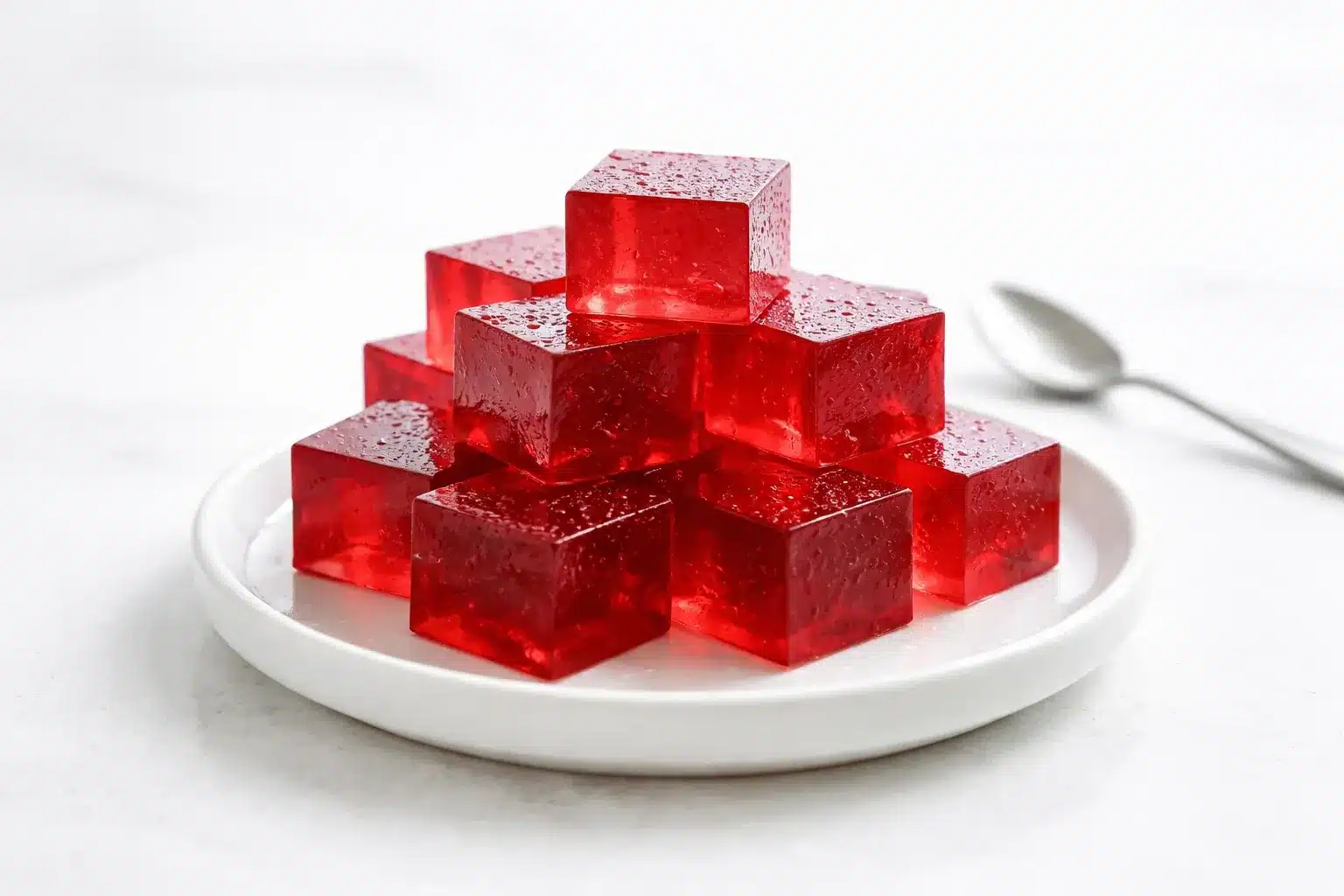
Drink the mixture while it is still warm and fully liquid. Do not put it in the fridge to turn into Jell-O. The goal is to drink it as a liquid so that the thickening process happens inside your stomach, triggering your body’s natural fullness signals right before you eat.
What the Clinical Research Actually Shows
While scientists have obviously never studied the fake “Dr. Gupta recipe,” there is plenty of peer-reviewed research on how gelatin and pre-meal protein impact human appetite.
The Gelatin Advantage
A well-known study published in the journal Clinical Nutrition compared how different types of protein affect hunger. Researchers tested gelatin against milk protein (casein), soy protein, whey protein, and egg whites.
The study found that gelatin was surprisingly effective at blunting appetite. Participants who had a meal containing gelatin ended up eating roughly 20% less food at a later buffet than those who had consumed whey or soy protein.
The Major Catch: An Incomplete Protein
Even though gelatin is great for mechanical fullness, it has a major nutritional flaw: it is an incomplete protein.
Gelatin completely lacks tryptophan, an essential amino acid your body needs to create serotonin (the chemical that regulates mood and sleep). It is also very low in other crucial amino acids like methionine and isoleucine.
Important Safety Note: Because it is an incomplete protein, you cannot use gelatin as a meal replacement shake or a primary protein source. Relying too heavily on gelatin will cause nutritional deficiencies and muscle loss. Think of it strictly as a minor behavioral tool to help with portion control, not a food source.
Risks, Side Effects, and Who Should Skip It
While drinking a tablespoon of unflavored gelatin is perfectly safe for most people, using it improperly can cause issues. Keep these safety points in mind:
1. Bloating and Heavy Digestion
Gelatin takes real effort for your stomach to break down. If you struggle with slow digestion, low stomach acid, or Irritable Bowel Syndrome (IBS), you might experience mild nausea, bloating, or stomach pressure. If this happens, drop down to half a tablespoon or stop using it completely.
2. Alpha-Gal Syndrome
Most standard unflavored gelatin boxes (like the Knox brand at the grocery store) come from beef or pork. If you have Alpha-gal syndrome—the tick-borne red meat allergy—consuming mammalian gelatin can trigger a severe allergic reaction. You will need to source pure marine (fish) gelatin instead.
3. Kidney Disease
If you have advanced kidney disease and are on a medically restricted, low-protein diet, you have to count the 6 to 8 grams of protein this drink adds to your day. Unmonitored protein loading can put extra stress on compromised kidneys.
The Realist’s Guide to Weight Management
True weight management isn’t about finding a magic trick; it’s about making habits easier to keep. Diets based on raw willpower usually fail when life gets stressful.
The pre-meal gelatin strategy is useful only because it automates a tiny bit of portion control. By filling part of your stomach with a low-calorie protein liquid 20 minutes before dinner, you don’t have to fight your willpower quite as hard to stop eating when you’re full.
But a daily mug of gelatin will never fix a highly processed diet, poor sleep, or chronic stress. If you decide to give it a shot, treat it exactly for what it is: a cheap, simple tool to help you manage your portions as part of a balanced, real-food lifestyle.
Frequently Asked Questions (FAQ)
Q. Can I just use regular, flavored Jell-O boxes instead?
No. Standard flavored Jell-O is loaded with refined sugar or artificial sweeteners, chemical dyes, and preservatives. The high-sugar versions cause sharp blood sugar spikes, completely defeating the purpose of using a clean protein to stabilize your appetite. Stick strictly to 100% pure, unflavored gelatin powder.
Q. Is unflavored gelatin the same thing as collagen peptides?
Not quite. They come from the same source and have the same amino acids, but they behave differently. Collagen peptides are broken down into tiny pieces that dissolve instantly in cold water and will never thicken or gel. Unflavored gelatin keeps its long protein chains, which is exactly what allows it to form the heavy, stomach-stretching liquid that makes you feel full.
Q. Will this trick help me lose stubborn belly fat?
No. Gelatin cannot target or burn fat in any specific area of your body. Fat loss only happens when your body is in a consistent calorie deficit. If drinking this mixture helps you naturally cut down your portion sizes, you will lose fat—but that is a result of eating fewer calories, not a magical chemical reaction from the gelatin.
Q. Is it safe to drink this every single day?
Yes, if you have healthy kidneys and liver, a tablespoon a day is fine. Just remember that because gelatin is missing essential amino acids like tryptophan, you must continue to eat a variety of complete proteins—like eggs, fish, chicken, or meat—throughout the day to keep your nutrition balanced.
Key Takeaways
-
The Scam Verified: The “Dr. Gupta Bariatric Gelatin Recipe” is a marketing scam. Dr. Sanjay Gupta did not create or endorse this trick; online ads are using AI to clone his voice and steal his image.
-
The Actual Science: While the celebrity endorsement is fake, the method relies on real biology. Drinking unflavored gelatin before a meal creates a temporary gel in your stomach, triggering fullness sensors and slowing down how fast your stomach empties.
-
Safe Prep Required: Never use too much powder. Always mix 1 tablespoon of gelatin with at least 1 cup (8 ounces) of total liquid to avoid any choking risks or swallowing issues.
-
Nutritional Limits: Gelatin is an incomplete protein. It cannot replace real food or your daily protein shakes, as it lacks the essential amino acids your body needs to maintain muscle.
-
The Bottom Line: Gelatin is a cheap, practical way to handle portion control, but it is not a miracle weight loss cure. It only works if it helps you maintain a healthy, balanced lifestyle.
Scientific References
-
Clinical Nutrition: A comparative study demonstrating that gelatin significantly reduces subsequent food intake and suppresses appetite better than several other common protein types.
-
The Journal of Nutrition: Research outlines the “Protein Leverage Hypothesis” and how early protein intake regulates total daily calorie consumption.
-
American Journal of Clinical Nutrition: Clinical observations on how liquid viscosity and stomach stretching alter brain signals regarding fullness.
-
International Journal of Obesity: Studies on gut hormone responses (including GLP-1 and PYY) to amino acid loads and pre-meal timing.