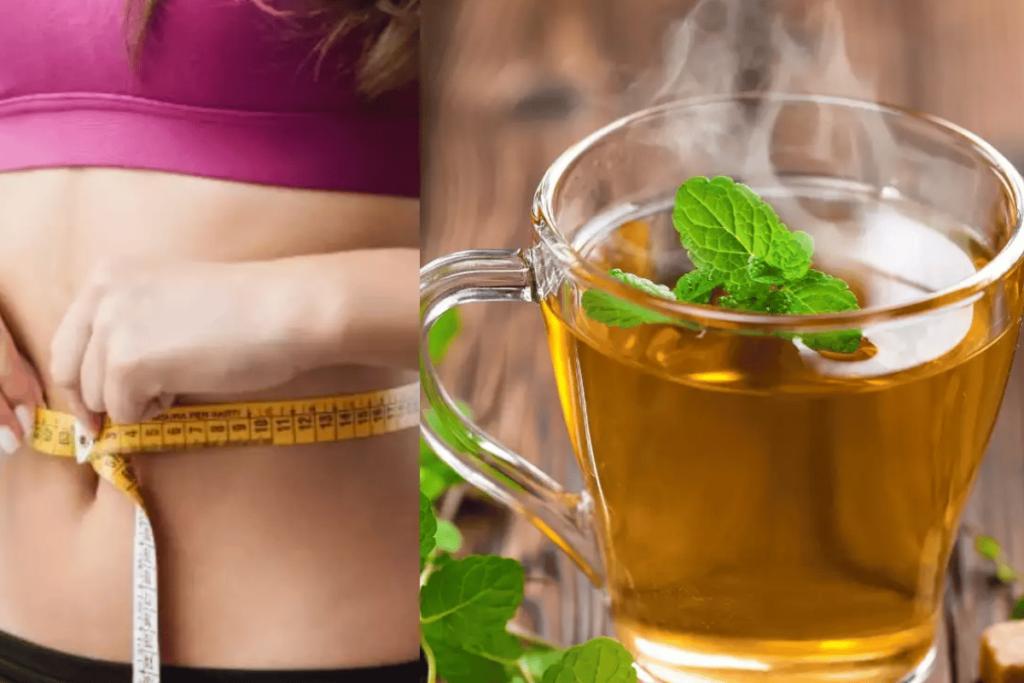
The wellness industry has a long history of positioning “detoxification” as the ultimate gateway to shedding pounds. Walk down the aisle of any health food store or scroll through social media, and you will find an endless array of detox teas. Promoted by influencers and celebrities alike, these products promise rapid fat loss, a flatter stomach, and a purified internal system.
But if we look at this from a medical and metabolic standpoint, the phrase “best detox tea for weight loss” requires a serious reality check. Genuine teas derived from the actual tea plant (Camellia sinensis)—like green, oolong, and black tea—do contain natural compounds that can gently nudge your metabolism. However, many over-the-counter commercial “detox” blends rely on tricks that make it look like you are losing weight, without actually burning a single ounce of body fat.
To protect your health and your wallet, it helps to understand the difference between actual metabolic support and the temporary, sometimes risky, bodily shifts caused by commercial herbal mixes.
The Biological Reality of “Detoxification”
Before looking at specific teas, let’s clear up how the human body actually processes and clears out waste.
If you are generally healthy, your body is already running a highly sophisticated, 24/7 internal cleaning system. This is managed primarily by your liver and kidneys, alongside your digestive tract, lungs, and skin.
-
The Liver: This is your body’s main chemical processing plant. It uses specific enzyme pathways to break down chemicals, medications, and natural metabolic byproducts into harmless, water-soluble forms.
-
The Kidneys: Your kidneys constantly filter your bloodstream, flushing those water-soluble waste products out of the body through urine.
There is currently no robust, peer-reviewed medical evidence showing that drinking specific herbal teas speeds up, enhances, or improves these built-in organs. Most products marketed as “detoxifiers” do not interact with your liver enzymes at all. Instead, they simply speed up your digestive tract or temporarily alter your fluid balance.
True Teas vs. Commercial Detox Blends
When you are looking for a tea to support your health goals, your options generally fall into two very different categories: true teas packed with natural antioxidants, and commercial herbal blends that often rely on stimulants or laxatives.
1. True Teas (Camellia sinensis)
Green, oolong, and black teas contain well-studied bioactive compounds, including caffeine and unique antioxidants called catechins. The most famous of these is epigallocatechin gallate (EGCG), which has been shown to help protect cells and support metabolism.
2. Commercial Herbal “Detox” Blends
These over-the-counter products usually mix a standard tea base with a proprietary blend of herbs. Common ingredients include senna leaf, dandelion root, ginger, garcinia cambogia, and extra doses of added caffeine.
While these brands market themselves heavily for weight loss, their immediate effects are almost always driven by temporary water weight loss or aggressive bowel movements, rather than real fat reduction.
How Certain Teas Actually Support Weight Management
Even though true teas do not “cleanse” your liver or kidneys, clinical research shows that certain varieties can genuinely support weight management through a couple of interesting biological pathways.
Boosting Calorie Burning (Thermogenesis)
The natural combination of EGCG and caffeine in green and oolong teas creates a helpful synergy. EGCG temporarily slows down an enzyme that breaks down norepinephrine, a hormone that signals your body to break down stored fat for energy.
A review published in the Journal of Nutritional Biochemistry found that this dual action can raise your daily energy expenditure by about 4% to 5%, while increasing fat oxidation. In everyday terms, this translates to burning an extra 60 to 100 calories a day. It is a nice little bonus to a healthy lifestyle, but it won’t replace a balanced diet and regular exercise.
Managing Carbohydrate and Fat Absorption
Emerging research highlights how fermented and semi-fermented options like oolong and black tea interact with our digestive health. Because these teas undergo an oxidation process, they contain larger, complex antioxidant molecules called theaflavins and thearubigins.
Studies suggest these larger molecules can partially block certain digestive enzymes (pancreatic lipase and amylase) in your gut. This slightly reduces the amount of fat and carbs your body absorbs from food. Instead, these undigested nutrients pass through to your gut microbiome, where they feed beneficial bacteria and produce short-chain fatty acids that help regulate energy metabolism.
What the Science Says: Evaluating Your Options
To find the safest and most effective options, we have to look directly at the clinical data behind individual tea varieties.
Green Tea: The Gold Standard for Fat Oxidation
Green tea is backed by more clinical data than any other variety. A major meta-analysis published in the Cochrane Database of Systematic Reviews pooled data from multiple randomized controlled trials to see how green tea affected overweight or obese adults.
The researchers found that while green tea consistently helped people lose weight and reduce waist size, the actual amount of weight lost was quite modest. On average, participants lost between 0.5 and 7.5 pounds over a 12-to-13-week period compared to those who didn’t drink it. This shows that while green tea absolutely influences fat metabolism, its real-world impact varies heavily based on your genetics and overall diet.
Oolong Tea: The Energy Regulator
Oolong tea sits right between green and black tea because it is only partially oxidized. Clinical trials show that regular oolong consumption can give your resting metabolic rate a temporary boost.
One study evaluating oolong’s impact found that drinking two cups a day increased fat oxidation by up to 20% for two hours after drinking it, contributing to a small increase in daily calorie burning. Oolong also contains unique compounds that appear to help discourage the formation of new fat cells.
Herbal Infusions: Hibiscus, Peppermint, and Ginger
Pure herbal teas do not come from the actual tea plant, meaning they are naturally caffeine-free. While they will not trigger calorie burning, specific botanicals can help in other ways:
-
Hibiscus (Hibiscus sabdariffa): Early clinical trials suggest hibiscus extract may help discourage fat accumulation by interacting with certain genetic pathways, though we still need more data on standard brewed tea.
-
Ginger (Zingiber officinale): Research shows that ginger can slightly increase the energy your body uses to digest food while promoting a feeling of fullness, making it a great natural appetite tamer.
Clinical Comparison of Common Teas
The table below breaks down the primary active compounds, biological mechanisms, and real-world clinical limitations of the most common options:
| Tea Variety | Primary Active Compounds | Primary Biological Mechanism | Clinical Reality & Limitations |
| Green Tea | EGCG (Catechins), L-Theanine, Caffeine | Temporarily preserves norepinephrine to encourage fat oxidation. | Moderate Evidence: Consistently shows modest fat reduction over 12 weeks; results vary by individual. |
| Oolong Tea | Polymerized Polyphenols, Unique Catechins, Caffeine | Partially blocks fat-digesting enzymes; increases resting metabolic rate. | Moderate Evidence: Provides a short-term boost in daily calorie burning (~67-80 extra kcal/day). |
| Black Tea | Theaflavins, Thearubigins | Supports gut health; slightly reduces fat absorption in the intestines. | Emerging Evidence: Strong data in lab studies; human trials show mild support for long-term weight maintenance. |
| Commercial Detox Blends | Senna, Dandelion, Garcinia, Added Stimulants | Forces muscle contractions in the colon (laxative); increases urination (diuretic). | Poor / High Risk: Weight loss is just temporary water and waste removal; it carries risks of dehydration and nutrient loss. |
The Hidden Dangers of Commercial Detox Teas
While drinking standard green or herbal tea is highly safe for almost everyone, commercial over-the-counter “detox weight loss teas” carry genuine health risks. A mini-review published in Frontiers in Nutrition emphasized that many products marketed for quick detoxification lack strict safety oversight and can cause serious adverse health issues.
The Problem with Senna and Laxative Dependency
The single most common ingredient in aggressive detox teas is senna leaf (Senna alexandrina). Senna contains natural compounds called sennosides that irritate the mucosal lining of your large intestine. This irritation triggers cramps and muscle contractions, forcing your bowels to empty rapidly.
While this process completely clears out your colon—making your stomach feel flatter and dropping the number on the scale the next morning—it does absolutely nothing to burn body fat.
Using laxative-heavy teas for more than a week or two can cause serious damage:
-
Severe Potassium Drops (Hypokalemia): Constantly forcing bowel movements strips your body of essential electrolytes like potassium, which your heart needs to beat regularly.
-
Laxative Dependency: Over time, your colon can lose its natural muscular tone. This means your body becomes dependent on the tea just to have a normal bowel movement.
Kidney and Liver Safety
Because dietary supplements do not face the same strict, pre-market FDA approval processes as prescription medications, what is written on the label isn’t always what is in the bag.
Toxicology reports have linked excessive use of concentrated weight-loss teas to acute liver injury. This is usually caused by poor quality control leading to heavy metal contamination, or the hidden addition of illegal synthetic stimulants (like sibutramine) to make the tea seem more powerful. Furthermore, ingredients like dandelion root and juniper berry act as natural diuretics, forcing your kidneys to excrete excess water. When combined with laxatives, you run a very real risk of severe dehydration.
How to Safely Use Tea for Your Health Goals
If you want to use tea to support your weight loss journey, the smartest move is to skip the gimmicky “detox” boxes entirely and focus on high-quality, whole-leaf options.
-
Stick to Pure Varieties: Choose organic green, oolong, or black teas with single-ingredient labels. This ensures you get all the beneficial antioxidants without exposing your body to hidden chemicals or harsh laxatives.
-
Time It Right: To take advantage of the way oolong and black tea can gently block fat absorption, enjoy your cup during or immediately after your largest meals of the day.
-
Watch Your Water Temperature: The healthy antioxidants in tea are delicate. Brew green tea with hot water—not boiling—at around 175°F to 180°F for 2 to 3 minutes so you don’t burn the leaves or make the tea incredibly bitter. Oolong and black teas can handle hotter water (around 195°F to 205°F) for 3 to 5 minutes.
-
Skip the Extras: Loading your tea with sugar, honey, or heavy cream can instantly undo the modest metabolic benefits the tea provides. Try drinking it plain, or add a squeeze of fresh lemon juice, which actually helps stabilize the antioxidants during digestion.
Key Takeaways
-
Your Body Already Detoxes: True detoxification is handled entirely by your liver and kidneys. No store-bought tea can replace or improve this natural process.
-
It’s Mostly Water Weight: The rapid drop on the scale from commercial detox teas is simply water weight and waste moving through you quickly, not actual fat loss.
-
Real Teas Genuinely Help: Pure green, oolong, and black teas contain natural antioxidants and caffeine that safely provide a small boost to your daily metabolism.
-
Beware of Laxatives: Avoid any detox tea containing senna for daily use. Prolonged use risks bowel dependency, severe dehydration, and dangerous electrolyte imbalances.
FAQ Section
Can detox teas help you lose belly fat permanently?
No. There is no such thing as spot-reducing fat. Any quick reduction in your waistline after drinking a detox tea is just the temporary result of clearing out water weight or bloating, not a reduction in actual body fat.
Is it safe to drink detox tea every day?
It depends entirely on what is in it. Drinking pure green, oolong, or herbal teas every day is perfectly safe and great for your health. However, commercial detox teas that contain laxatives like senna should never be used for more than a few days at a time.
What is the best time of day to drink weight loss tea?
If you are drinking green or oolong tea for a metabolic boost, enjoy it in the morning or about 30 minutes before a workout. If you are drinking oolong or black tea to help reduce fat absorption from food, drink it alongside or right after your main meals. Avoid caffeinated teas in the late evening so they don’t interfere with your sleep.
Can detox teas cause liver damage?
Yes, it can happen. Medical journals have documented cases where individuals suffered liver injury after using highly concentrated weight-loss tea blends. This is typically caused by poor manufacturing standards, contamination, or hidden, unlisted ingredients.
What should I look for on a detox tea ingredient label?
Look for simple, recognizable ingredients like green tea, black tea, ginger, peppermint, or hibiscus. Avoid products that list senna, senna leaf, cassia, or “proprietary weight loss blends” unless you are looking for a short-term solution for occasional constipation.
Scientific References
-
Noor, F., Chalise, R., & Tran, A. (2026). Safety and effectiveness of diet and detox teas for weight loss: a mini-review. Frontiers in Nutrition, 13, 1777795.
-
Rothenberg, D. O., Zhou, C., & Zhang, L. Y. (2018). A Review on the Weight-Loss Effects of Oxidized Tea Polyphenols. Molecules, 23(5), 1176.
-
Jurgens, T. M., Whelan, A. M., Killian, L., et al. (2012). Green tea for weight loss and weight maintenance in overweight or obese adults. Cochrane Database of Systematic Reviews, (12), CD008650.
-
Yang, J., & Wang, H. (2022). The Anti-Obesity and Health-Promoting Effects of Tea and Coffee. Journal of Nutritional Biochemistry, 98, 108852.
-
Klein, A. V., & Kiat, H. (2015). Detox diets for toxin elimination and weight management: a critical review of the evidence. Journal of Human Nutrition and Dietetics, 28(6), 675-686.