
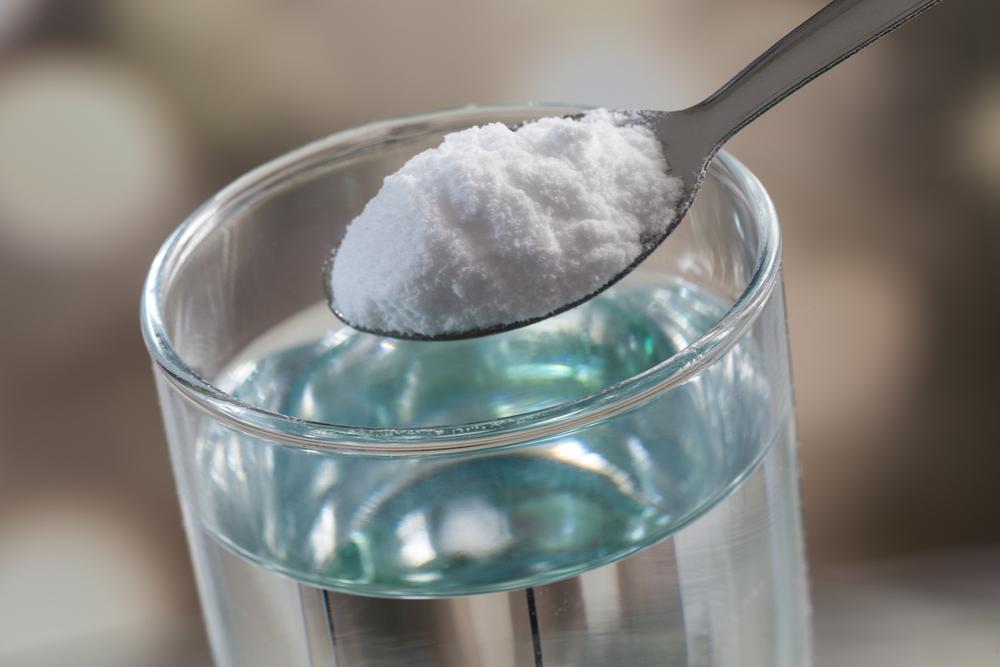
Every few months, a decades-old kitchen staple gets rebranded as a revolutionary weight loss hack. The latest revival is the baking soda water shot—a simple mix of household baking soda stirred into a glass of water. Online wellness spaces are full of claims that this cheap routine can alkalize your system, kickstart a sluggish metabolism, and target stubborn belly fat.
When you look at the actual human physiology, the story changes completely. Sodium bicarbonate (the scientific name for baking soda) has real, proven uses in emergency medicine and sports science. However, its sudden reputation as a fat-burning elixir relies on a fundamental misunderstanding of how the human body regulates its internal chemistry.
To understand why this trend keeps popping up—and why it might actually do more harm than good—we have to look at what happens inside your body when you drink it.
What Exactly is a Baking Soda Shot?
Baking soda is pure sodium bicarbonate (NaHCO3). It is a chemical salt made up of sodium ions and bicarbonate ions. In the kitchen, it acts as a chemical leavening agent. When it hits an acid like lemon juice or buttermilk, it creates carbon dioxide gas, which makes the dough rise.
When you dissolve baking soda in water and drink it, that same chemical reaction happens inside your stomach. Instead of reacting with lemon juice, it reacts directly with your stomach acid.
For generations, people used a tiny pinch of baking soda in water as an occasional home remedy for acute heartburn or indigestion. It works because it is highly alkaline, meaning it can quickly neutralize acid. The leap from an occasional antacid to a daily weight loss supplement is entirely a product of modern viral internet trends.
The Three Big Weight Loss Claims (and Why They Fall Flat)
Proponents of the baking soda shot usually rely on three main arguments to justify the habit. Let’s look at the biology behind each one.
1. The “Alkaline Body” Myth
The most common theory claims that an “acidic” body slows down your metabolism and forces your system to hold onto fat. Proponents argue that drinking an alkaline solution like baking soda changes your internal pH, putting your body into a prime “fat-burning state.”
The Reality: Your diet cannot change the pH of your blood or your fat tissue. The human body keeps its arterial blood pH within an incredibly strict window between 7.35 and 7.45. This balance is non-negotiable for survival. Two major organ systems manage this around the clock:
-
Your Lungs: They constantly adjust how much carbon dioxide ($\text{CO}_2$) you breathe out to clear acid from your bloodstream.
-
Your Kidneys: They filter out excess hydrogen ions and generate or reabsorb bicarbonate to maintain perfect equilibrium.
If you drank something strong enough to permanently shift your systemic pH outside of that tiny window, you would find yourself in a medical emergency room, not looking leaner. While baking soda can temporarily change the pH of your stomach or your urine, it has zero impact on the acidity of your cellular fat tissue.
2. The Digestion and “Detox” Argument
Another claim suggests that baking soda flushes out the digestive tract, clears out metabolic waste, and helps your body process food more efficiently, leading to a flatter stomach.
The Reality: Your stomach is meant to be highly acidic, typically maintaining a pH between 1.5 and 3.5. This intense acidity is mandatory for your health. It activates the enzymes needed to break down protein and acts as a primary defense system, killing harmful bacteria and pathogens on your food before they can reach the rest of your body.
Regularly flooding your stomach with a high-pH alkaline substance like baking soda neutralizes this necessary acid. Instead of improving your digestion, it temporarily stalls it. This can lead to poorly digested food, altered gut transit times, and potential issues with absorbing key nutrients over time.
3. The Instant “Flatter Belly” Illusion
Many people who try the baking soda shot claim they notice an immediate difference in their stomach or a quick drop on the scale within the first few days.
The Reality: Any rapid shift in your stomach shape or scale weight after drinking baking soda is caused by shifting gas or water dynamics, not fat loss. Because baking soda contains a massive amount of sodium, drinking it regularly is actually far more likely to cause severe fluid retention and bloating over time, which can mask real fat loss progress.
The Chemistry in Your Stomach: Why You Burp
The immediate physical reaction to a baking soda shot isn’t a sign of fat melting—it is simply high school chemistry.
When the sodium bicarbonate meets the hydrochloric acid ($\text{HCl}$) in your stomach, they neutralize each other instantly. The chemical equation looks like this:
NaHCO3 + HCl → NaCl + H2O + CO2
This reaction creates three things:
-
Sodium Chloride (NaCl): Standard table salt, which gets absorbed straight into your bloodstream.
-
Water (H2O): This simply mixes with your stomach contents.
-
Carbon Dioxide Gas (CO2): A rapid buildup of gas inside your stomach.
This sudden rush of gas stretches your stomach lining, which triggers a reflex that makes you burp. If you suffer from trapped gas or standard acid reflux, this release of pressure can feel incredibly relieving. This quick feeling of relief is often misinterpreted as a metabolic boost, but it is just gas leaving your upper digestive tract.
Where the Myth Began: Baking Soda in Sports Science
The idea that baking soda trick helps with weight loss didn’t appear out of nowhere. It is a distorted version of a real, well-documented concept in sports medicine known as bicarbonate loading.
During short bursts of intense exercise—like sprinting, rowing, or heavy weightlifting—your muscles rely on anaerobic glycolysis for quick energy. This process produces hydrogen ions (H+). As these ions pile up, they lower the pH inside your muscle tissue. This causes the intense burning sensation and muscle fatigue that forces you to stop or slow down.
Dozens of clinical studies have shown that when athletes take specific doses of sodium bicarbonate before a workout, it increases the buffering capacity of their blood. This extra buffering power helps pull those burning hydrogen ions out of the muscles faster, allowing athletes to push harder for just a little bit longer before their muscles give out.
HOW ATHLETES USE SODIUM BICARBONATE
| Intense Exercise —> | Acid (H+ Ions) Builds Up in Muscles |
| Muscles Burn and Fatigue | |
| Baking Soda Shot —> | Increases Blood Buffering Power |
| Pulls Acid Out of Muscles Faster | |
| Longer, Harder Training Sessions |
Because it can help competitive athletes squeeze out a few more reps or cut a second off their sprint times, it can indirectly help them build more muscle or burn more calories over months of training.
Unfortunately, this highly specific athletic strategy got oversimplified by the internet. The fact that baking soda helps elite athletes buffer muscle burn during intense training was twisted into the false claim that drinking it on your couch will directly dissolve body fat.
The Serious Health Risks of Regular Ingestion
While an occasional pinch of baking soda for sudden heartburn is generally safe for most people, using it as a daily wellness shot carries distinct medical risks.
1. A Massive Sodium Bomb
A single level teaspoon of baking soda contains roughly 1,200 milligrams of sodium. To put that in perspective, the American Heart Association recommends a maximum daily limit of 2,300 milligrams for healthy adults, with an ideal limit of 1,500 milligrams for anyone with high blood pressure.
Taking a daily baking soda shot can easily push you over your healthy sodium limit before you even eat a single bite of food. This massive influx of sodium causes your body to hold onto extra water to dilute the salt in your blood, placing immediate stress on your blood vessels and forcing your heart to work harder. Over time, this drastically increases the risk of developing or worsening high blood pressure, kidney strain, and cardiovascular disease.
2. Chronic Rebound Hyperacidity
Your stomach monitors its own environment very closely. When you regularly dump a highly alkaline substance into your stomach, your body notices the sudden drop in acid and tries to correct it. It responds by releasing a massive surge of gastrin—the hormone that signals your stomach to produce more acid.
Once the baking soda wears off, your stomach ends up flooded with far more acid than it had before. This creates a cycle of chronic hyperacidity, making you dependent on the baking soda to fix the very irritation it is causing, while potentially damaging your stomach lining.
3. Dangerous Electrolyte Imbalances
When you put a massive amount of bicarbonate into your system, your kidneys have to work overtime to filter it out and keep your blood pH stable. As your kidneys flush out the extra bicarbonate, they are often forced to dump potassium ions into your urine at the same time.
This can trigger a drop in blood potassium, a condition known as hypokalemia. Potassium is essential for electrical signaling in your muscles and your heart. Low potassium can lead to muscle cramps, chronic weakness, brain fog, and, in severe cases, dangerous heart arrhythmias.
4. Risk of Gastric Rupture
Though rare, spontaneous stomach rupture is a documented medical emergency caused by baking soda misuse. If you drink a baking soda shot after a large meal, the stomach is already full and stretched. The instant chemical reaction between the baking soda and your stomach acid produces a massive volume of carbon dioxide gas very quickly. If your stomach cannot expand any further or expel the gas fast enough through burping, the intense pressure can cause a physical tear in the stomach wall.
Direct Comparison: Online Claims vs. Medical Reality
| What the Internet Claims | What the Science Shows | Primary Risk Involved |
| Directly dissolves body fat | It has no chemical effect on fat cells or metabolism. Weight changes are just water and gas. | Low (but wastes time on ineffective habits) |
| Alkalizes your blood for health | Your lungs and kidneys keep blood pH strictly locked. Excess bicarbonate is just filtered out. | High (can trigger kidney strain or metabolic alkalosis) |
| Cures chronic bloating | It neutralizes stomach acid and creates massive amounts of gas, which can worsen long-term bloating. | Moderate (can cause severe distension and acid rebound) |
| Improves short-term stamina | It acts as a blood buffer against muscle acid during high-intensity, anaerobic exercise. | Moderate (frequently causes sudden diarrhea if overdosed) |
Safe, Evidence-Based Ways to Support Your Metabolism
If you want to support your metabolic health, energy levels, and digestion without the cardiovascular risks of drinking baking soda, several scientifically backed strategies actually work.
-
Boost Your Fiber Intake: Eating plenty of fiber from vegetables, berries, beans, and whole grains keeps you full, stabilizes your blood sugar, and feeds the beneficial bacteria in your gut. A healthy gut microbiome naturally reduces chronic bloating far better than an antacid.
-
Try Clean Athletic Buffers: If you want the workout benefits of baking soda without the massive sodium load or stomach issues, consider a supplement like beta-alanine. It safely increases your muscles’ internal acid-buffering capacity over time.
-
Use Creatine Monohydrate: If you lift weights or do sprint training, creatine is one of the most thoroughly researched supplements in the world. It directly supports cellular energy ($\text{ATP}$) production, helping you build strength and lean, metabolically active muscle mass safely.
-
Drink Apple Cider Vinegar (with Caution): If you are looking for a morning digestive ritual, a tablespoon of apple cider vinegar diluted in a large glass of water is a safer choice. Unlike baking soda, it introduces a mild acid (acetic acid) that aligns with your stomach’s natural environment rather than fighting against it.
Key Takeaways
-
Zero Impact on Fat: Baking soda does not have any fat-burning properties. Any quick changes on the scale are purely due to fluid shifts or gas release.
-
Your pH is locked: You cannot change your blood pH with what you drink. Your lungs and kidneys constantly manage that balance to keep you alive.
-
It is a Sodium Bomb: A single teaspoon of baking soda contains about half of your entire daily recommended sodium limit, making it highly risky for blood pressure and heart health.
-
It Can Disrupt Digestion: Regularly neutralizing your stomach acid hinders your body’s natural ability to break down protein and defend against foodborne bacteria.
-
The Athletic Link is Misunderstood: Baking soda can help elite athletes buffer muscle burn during intense sprints, but that does not translate into burning fat while you rest.
Frequently Asked Questions
Can a baking soda shot target belly fat specifically?
No. Spot reduction—losing fat from one specific area of your body—is a biological impossibility. Fat loss occurs systematically when your body is in a consistent caloric deficit, meaning you burn more energy than you consume. Baking soda does not affect fat cell metabolism anywhere in the body.
Is it safe to drink baking soda and water every morning?
No, health professionals strongly advise against drinking baking soda daily. The extreme amount of sodium can quickly lead to high blood pressure, fluid retention, and kidney strain, while chronic use can cause dangerous drops in your potassium levels.
Why does my stomach feel better right after drinking it?
Because baking soda is a strong base, it instantly neutralizes stomach acid on contact. If you have a buildup of excess acid or trapped gas, the reaction will provide rapid relief by releasing pressure through burping. However, this is just temporary symptom relief for heartburn, not a metabolic benefit.
Can I use baking powder instead of baking soda?
No. Baking soda is pure sodium bicarbonate. Baking powder is a mix of sodium bicarbonate, a dry acid (like cream of tartar), and a starch. They are completely different chemically. Baking powder will not function the same way and contains extra additives that are not meant to be mixed into water and swallowed as a drink.
What are the signs that I have consumed too much baking soda?
Mild overconsumption usually causes sudden gastrointestinal distress, including severe stomach cramps, nausea, burping, and diarrhea. Severe toxicity can cause symptoms of metabolic alkalosis, which include muscle twitching, deep muscle weakness, confusion, fluid swelling in the legs, and a racing heart rate. If you experience these, seek medical attention immediately.
Scientific References
-
Journal of the International Society of Sports Nutrition (2021): ISSN Position Stand: Sodium Bicarbonate and Exercise Performance. This comprehensive review confirms that while sodium bicarbonate can safely buffer muscle acid to improve high-intensity athletic performance, it does not directly trigger fat loss or alter baseline resting metabolism. https://pubmed.ncbi.nlm.nih.gov/34503507/
-
American Journal of Physiology-Renal Physiology (2018): Role of the Kidneys in Acid-Base Homeostasis. This study details the intricate biological mechanisms the human kidneys use to filter out excess bicarbonate and maintain perfect blood pH stability, showing why alkaline diets cannot alter internal blood acidity. https://journals.physiology.org/journal/ajprenal
-
The American Journal of Medicine (2016): Baking Soda Abuse and Severe Electrolyte Imbalances. A clinical review of case studies detailing the dangers of chronic household baking soda consumption, emphasizing risks like severe metabolic alkalosis and life-threatening drops in blood potassium (hypokalemia). https://www.amjmed.com/
-
Clinical Toxicology (2013): Systemic Toxicity from Ingestion of Sodium Bicarbonate. An analysis of poison control data looking at the common medical emergencies resulting from baking soda misuse, including dangerous blood pressure spikes, severe dehydration, and gastric distress. https://pubmed.ncbi.nlm.nih.gov/23406214/