
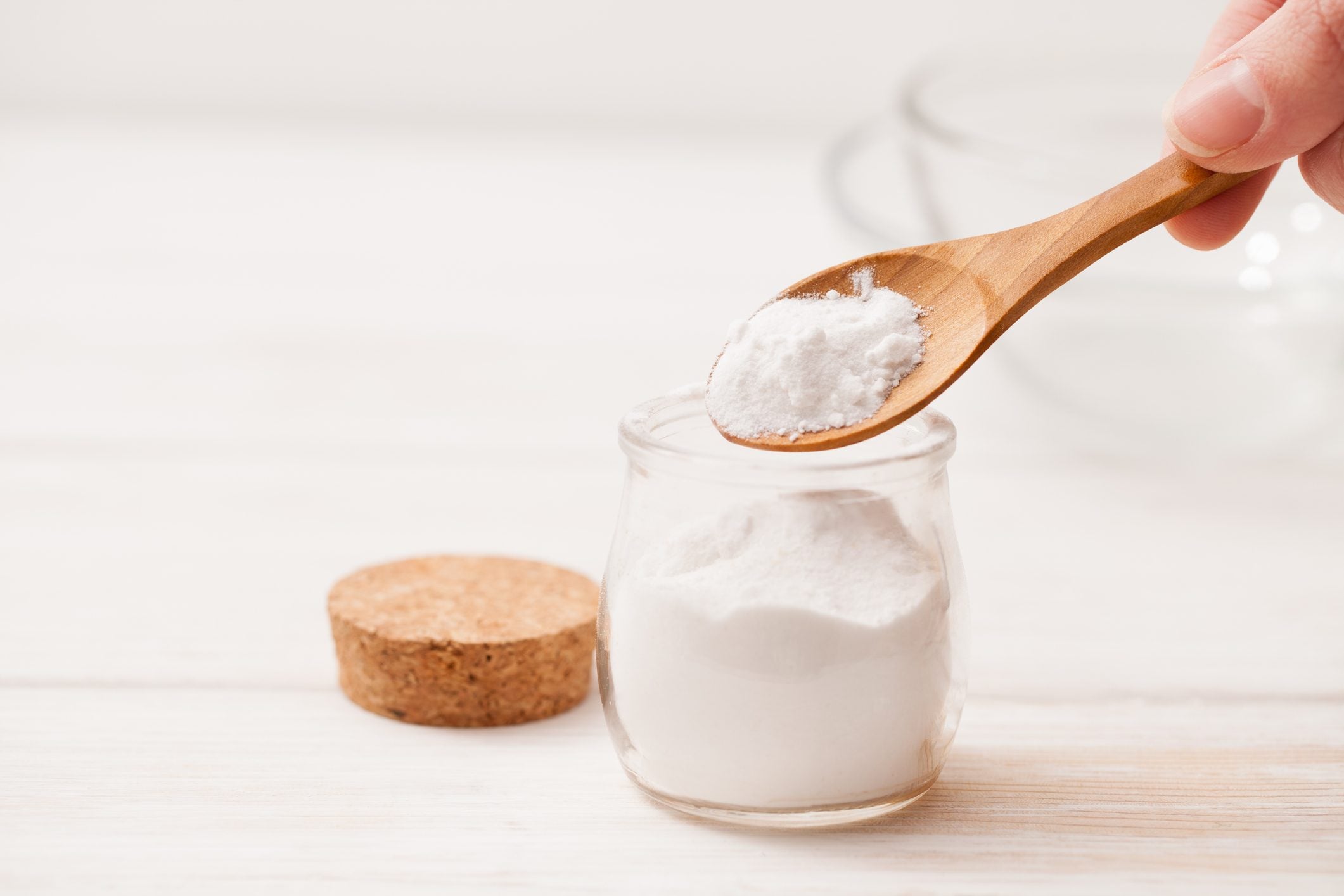
Every few months, a basic pantry staple gets plucked from obscurity by social media algorithms and rebranded as a weight-loss miracle. Recently, the spotlight has landed squarely on the baking soda trick recipe. Videos across TikTok, YouTube, and Instagram claim that drinking a simple mixture of sodium bicarbonate, water, and acidic juices can target stubborn belly fat, kickstart a sluggish metabolism, and flatten your stomach almost overnight.
When you are working hard to reach your health goals, these claims sound incredibly appealing. A cheap, two-ingredient fix sitting right in your kitchen cabinet feels like a dream. But our metabolism is a highly evolved, complex system of chemical reactions. It cannot be bypassed or hacked by basic household cooking ingredients.
To find out if there is any truth to this viral trend, we have to look past the transformation videos and examine what clinical biology, gastroenterology, and sports science actually say. While baking soda does have a legitimate, research-backed role in athletic performance, its reputation as a direct fat burner is entirely a myth.
What Exactly Is the “Baking Soda Trick”?
The recipes making the rounds online usually come in two main forms, both meant to be consumed first thing in the morning on an empty stomach.
The Basic Solution
This version is straightforward: you dissolve half a teaspoon of household baking soda (sodium bicarbonate) into a tall glass of filtered water (about 8 to 12 ounces). Proponents claim this alkaline mixture wakes up your digestive tract and prepares your body to burn fat more efficiently throughout the day.
The Acidic Blend
The more popular—and dramatic—version combines a teaspoon of baking soda with two tablespoons of raw, unfiltered apple cider vinegar or fresh lemon juice. The mixture fizzes instantly. Once the bubbling calms down, it is diluted with warm water and consumed. Creators of this recipe claim that the chemical reaction between the acid and the base creates a unique compound that aggressively targets visceral fat cells around your internal organs.
The appeal of these recipes relies heavily on visual confirmation. When you see a mixture bubbling and fizzing violently in a glass, it is easy to assume a similar “fat-melting” reaction will happen inside your body. To understand why that does not happen, we need to look at exactly what happens when you swallow it.
What Happens When You Drink Baking Soda?
Baking soda is sodium bicarbonate (NaHCO3), a naturally alkaline compound with a high pH. When you drink a baking soda solution, it immediately hits an environment that is intentionally designed to be the exact opposite: your stomach. Your stomach constantly secretes hydrochloric acid (HCl), maintaining a highly acidic resting pH between 1.5 and 3.5 to break down food and kill harmful bacteria.
When an alkaline powder meets a strong liquid acid, they neutralize each other. The chemical reaction looks like this:
NaHCO3 + HCl —> NaCl + H2O + CO2
The baking soda and stomach acid turn into sodium chloride (standard table salt), water, and carbon dioxide gas. This sudden pocket of carbon dioxide gas stretches your stomach lining, which triggers a reflex that makes you burp.
This reaction can quickly relieve the symptoms of acid indigestion, but it stays entirely inside your stomach cavity. It never interacts with your body’s fat cells, and it does not change the metabolic pathways that control lipolysis—the actual process of breaking down stored fat for energy.
The Alkaline Diet Myth vs. Real Blood Chemistry
The core theory behind using baking soda for weight loss comes from the popular “alkaline diet” philosophy. This idea suggests that an acidic body causes weight gain, inflammation, and sluggishness, while keeping your body alkaline helps you lose weight and feel energized.
From a medical standpoint, this theory fundamentally misunderstands how human physiology works. Your body does not have one single pH level. Different organs require wildly different chemical environments to do their jobs. While your stomach must remain highly acidic, your blood has to stay within an incredibly strict, non-negotiable pH range of 7.35 to 7.45.
If your blood pH moves even a fraction outside of that window, it becomes a medical emergency known as metabolic acidosis or alkalosis, which can cause heart and organ failure. Because keeping your blood pH stable is a matter of survival, your body uses three built-in systems to keep things balanced.
First, chemical buffers in your blood and cellular fluids instantly absorb or release hydrogen ions to stop sudden changes in pH. Second, your lungs help manage this balance through respiration. Your brain constantly tracks carbon dioxide levels; if your blood gets too acidic, you naturally breathe faster and deeper to exhale excess $CO_2$. If it gets too alkaline, your breathing slows down slightly to retain carbon dioxide, which forms a mild acid to bring your pH back to baseline.
Finally, your kidneys handle long-term balance. When you consume too much of an alkaline substance like baking soda, healthy kidneys filter out the extra bicarbonate ions and send them straight to your bladder to be excreted in your urine.
Because your lungs and kidneys are always working to keep your internal environment stable, drinking baking soda cannot make your tissues or blood more alkaline. Your kidneys filter out the excess long before it ever has a chance to affect your fat cells.
The Logic Behind the Claims (And Why It Fails)
Let’s break down the specific claims you see online and compare them directly to what medical science actually shows.
The Claim: “Baking soda directly dissolves fat cells.”
Fat cells (adipocytes) store energy as triglycerides. To unlock and burn that energy, you need a consistent calorie deficit. This deficit prompts your endocrine system to release hormones like epinephrine and norepinephrine. These hormones tell your fat cells to break down those triglycerides into free fatty acids to be burned for fuel. Baking soda does not interact with your fat cells, nor does it affect these fat-burning hormones.
The Claim: “Mixing baking soda with apple cider vinegar boosts your metabolism.”
When you mix baking soda with apple cider vinegar or lemon juice, the basic baking soda neutralizes the beneficial acetic or citric acids in those liquids. You are left with a glass of water, dissolved carbon dioxide, and sodium acetate. By neutralizing the acid in the glass before you even drink it, you wipe out the potential benefits of apple cider vinegar, like its ability to slightly delay how fast your stomach empties or temporarily support insulin sensitivity. Instead, you are left drinking a high-sodium beverage.
The Claim: “It specifically targets stubborn belly and visceral fat.”
Spot reduction—losing fat from one specific spot on your body—is physically impossible. When your body burns fat due to a calorie deficit, it pulls energy from fat stores across your entire body based on your genetics, gender, and blood flow. No drink can command your body to burn fat exclusively from your midsection.
The Flattening Illusion: Why People Think It Works
If the baking soda trick does not burn fat, why are so many people convinced it works? The answer comes down to a very common confusion between losing actual body fat and temporarily reducing stomach bloat.
Many people deal with chronic indigestion, trapped gas, and minor acid reflux that causes the abdominal wall to push outward. This distension can make you look and feel like you have gained fat, even though the issue is just gas and fluid pressure in your digestive tract.
Because baking soda is an effective antacid, drinking it neutralizes stomach acid and triggers a massive burp. This releases trapped gas and reduces the internal pressure, stretching your stomach and flattening your midsection in minutes.
While this sudden change feels like weight loss, it is actually just an engineered release of trapped gas. Your underlying body fat has not changed at all. To make matters worse, once your stomach realizes its natural acid has been neutralized, it often reacts by producing an extra surge of new acid to get back to normal—a frustrating loop known as “acid rebound.”
The Real Science: Baking Soda in Sports Performance
While baking soda won’t help you burn fat while sitting on the couch, it does have a proven, respected place in sports science. When used correctly under the right conditions, it can be a highly effective performance enhancer that indirectly helps you reach your body composition goals.
Why Your Muscles Burn During Intense Workouts
During short, intense bursts of exercise—like sprinting, rowing, or lifting heavy weights to failure—your body cannot deliver oxygen to your muscles fast enough to keep up with the energy demand. To adapt, your body switches to anaerobic glycolysis, a pathway that breaks down stored carbohydrates for quick energy without using oxygen.
While this process is fast, it produces a byproduct: an accumulation of hydrogen ions ($H^+$) alongside lactate. As these hydrogen ions build up inside your muscle tissue, they lower the pH of the muscle, making it highly acidic. This sudden drop in pH is what causes that intense, burning sensation you feel at the end of a hard set. It hurts your workout performance by slowing down phosphofructokinase (the main enzyme your body needs to keep burning carbs for quick energy) and making it harder for calcium to bind to muscle fibers, which physically weakens your muscles’ ability to contract.
How Baking Soda Defends Your Muscles
This is where sodium bicarbonate becomes incredibly useful for athletes. Drinking a precisely measured dose of baking soda increases the concentration of bicarbonate ions ($HCO_3^-$) in your blood, creating a strong external buffer.
This increase in your blood’s buffering capacity creates a strong chemical gradient between your acidic muscle cells and your bloodstream. This gradient pulls the fatiguing hydrogen ions out of the working muscle tissue and into the blood much faster. Once in the bloodstream, they are quickly neutralized and turned into water and carbon dioxide, allowing your muscles to keep firing for a longer period before fatigue sets in.
What the Research Shows
According to an official position statement by the International Society of Sports Nutrition (ISSN), taking baking soda before a workout can improve performance by 2% to 3% across a wide variety of high-intensity tasks.
These benefits show up most during intense exercise that lasts between 1 and 10 minutes. By clearing out the acid that causes muscle fatigue, you can squeeze out a few more repetitions at the end of a set, maintain a faster sprint pace, and handle a higher overall volume of work before your muscles give out.
The Indirect Path to Fat Loss
While this athletic boost is not a direct fat burner, it can help you improve your body composition over time. Being able to maintain a higher power output for a longer period during your workouts means you burn more total energy, which makes it easier to maintain a calorie deficit.
Additionally, pushing through a few extra reps stimulates muscle growth and helps preserve your lean muscle tissue while you are cutting calories. Because muscle tissue requires more energy to maintain at rest than fat tissue, protecting your muscles helps keep your baseline metabolic rate strong.
However, the specific amounts of baking soda required to get this athletic performance boost are very different from the casual measurements you see in viral social media videos.
The Hidden Health Risks of the Baking Soda Trend
Using baking soda regularly as a DIY weight loss supplement without medical guidance carries real health risks. It is a powerful chemical compound that can easily disrupt your digestion and cardiovascular health if misused.
1. Excessive Sodium and Heart Strain
The most immediate risk of the baking soda trick is the massive amount of sodium it introduces into your diet. A single level teaspoon of baking soda contains roughly 1,200 to 1,260 milligrams of elemental sodium. That single teaspoon accounts for more than half of the American Heart Association’s recommended daily limit of 2,300 milligrams for healthy adults—and nearly matches the ideal 1,500 milligram daily limit for anyone managing high blood pressure.
Consuming such a concentrated dose of sodium on an empty stomach pulls water into your bloodstream very quickly. This sudden shift causes short-term fluid retention, which can actually cause the numbers on your bathroom scale to go up. For anyone dealing with high blood pressure, kidney issues, or heart vulnerabilities, this sudden increase in blood volume can dangerously raise blood pressure and put unnecessary strain on the cardiovascular system.
2. Severe Stomach and Bowel Issues
In sports medicine, the biggest downside of using baking soda is how easily it can cause severe stomach distress. When a large dose of baking soda hits your digestive tract, the rapid buildup of carbon dioxide gas, combined with the high concentration of sodium pulling water into your intestines, can trigger painful stomach cramps, sudden nausea, vomiting, and severe diarrhea as your intestines flush with water to balance out the sudden spike in sodium. These symptoms usually strike within 30 to 90 minutes of drinking the mixture, which can completely ruin a workout and leave you feeling dehydrated.
3. Serious Complications: Alkalosis and Gastric Rupture
While your body’s regulatory systems are highly resilient, consuming large quantities of baking soda can occasionally overwhelm them, causing a condition called metabolic alkalosis. This happens when your blood becomes dangerously basic, leading to symptoms like muscle twitching, painful spasms, an irregular heartbeat, and confusion.
An even rarer but life-threatening risk is spontaneous gastric rupture. If someone drinks a large amount of baking soda shortly after eating a heavy, filling meal, their stomach is already physically full and stretched. The rapid chemical reaction between the baking soda and stomach acid creates a massive pocket of gas. If the gas cannot escape through a burp quickly enough, the intense internal pressure can tear the stomach wall, requiring emergency surgery.
4. Poor Nutrient and Medication Absorption
Regularly neutralizing your stomach acid with baking soda can prevent your body from properly absorbing vital nutrients and daily medications. A consistently low-acid environment in the stomach impairs your ability to break down and absorb crucial micronutrients, including iron, calcium, and vitamin B12.
Frequent baking soda consumption also interferes with a wide variety of prescription medications. It can cause enteric-coated pills to dissolve too early in the stomach rather than the intestines, speed up how fast your body excretes aspirin, and reduce the absorption and effectiveness of iron supplements, certain antibiotics, and cholesterol-lowering medications like rosuvastatin.
Internet Claims vs. Medical Reality
To summarize this trend clearly, let’s look at how the popular online claims compare directly to established medical facts:
| Internet Claim | Medical Reality |
| Claim: It directly dissolves fat cells and burns belly fat. | Reality: Fat loss requires a calorie deficit to drive systemic fat burning. Baking soda cannot break down or interact with stored adipose tissue. |
| Claim: It shifts your body’s pH into an alkaline state to burn fat. | Reality: Your lungs and kidneys tightly control blood pH between 7.35 and 7.45. Food and drinks cannot alter this balance. |
| Claim: It speeds up your baseline metabolic rate. | Reality: Metabolism is determined by your lean muscle, thyroid health, and activity. Baking soda has no impact on your resting metabolic rate. |
| Claim: It quickly flattens your stomach. | Reality: It compresses stomach bloating by neutralizing acid and releasing gas, creating the temporary appearance of a flatter stomach without burning fat. |
| Claim: It is safe and highly beneficial to drink every single day. | Reality: Daily use introduces excessive sodium, risks severe stomach distress, and can lead to nutrient deficiencies or medication interferences. |
Real-World Strategies That Actually Work
If your goal is permanent fat loss and better metabolic health, skip the kitchen remedies and focus on foundational, science-based habits that genuinely work over time:
-
Aim for a Modest Calorie Deficit: Find your total daily energy expenditure (TDEE) and create a gentle, sustainable deficit of 300 to 500 calories a day. This encourages steady fat loss while helping you hold onto your hard-earned muscle.
-
Focus on Protein Intake: Build your meals around high-quality, lean protein sources. Aiming for roughly 0.7 to 1.0 grams of protein per pound of body weight daily helps keep you full, supports your muscles during weight loss, and burns slightly more energy during digestion.
-
Eat Plenty of Fiber: Fill your plate with whole foods rich in fiber, like leafy greens, vegetables, beans, and whole grains. Fiber slows down digestion, keeps your blood sugar stable, and helps you stay full longer without adding extra calories.
-
Start a Simple Weight Training Routine: Work out with weights or resistance bands three to four times a week. Challenging your muscles tells your body to keep its muscle tissue, ensuring that the weight you lose comes from fat stores rather than lean muscle tissue.
-
Use Intense Workouts Intentionally: Add short conditioning sessions, like interval training, once or twice a week to boost your cardiovascular fitness. If you are a competitive athlete looking to use baking soda to safely optimize those tough sessions, consult a sports dietitian to build a safe, personalized plan.
Key Takeaways
-
No Direct Impact on Fat: The viral baking soda trick has no biological power to break down fat cells or boost your metabolism.
-
The pH Diet Is a Myth: Your body tightly regulates its blood pH using your lungs and kidneys. You cannot alter this system with alkaline drinks to force weight loss.
-
Bloat Relief, Not Fat Loss: Baking soda acts as a rapid antacid, releasing carbon dioxide gas. The resulting burp can quickly ease bloating and flatten a distended stomach, but it does not change your body fat.
-
Legitimate Performance Enhancer: In sports science, sodium bicarbonate is used as a muscle buffer. Taking a precise dose before an intense workout can delay muscle fatigue and help you train harder.
-
Real Side Effects: Misusing baking soda can lead to chronic sodium overload, severe stomach cramping, diarrhea, and dangerous interactions with common prescription medications.
Frequently Asked Questions
Can drinking baking soda cause water retention or weight gain?
Yes. Baking soda is loaded with sodium—a single teaspoon has over 1,200 milligrams. When you take in a large amount of sodium all at once, your body holds onto extra water to keep your blood balanced. This fluid retention can cause sudden bloating and an increase on the scale, which people often mistake for fat gain.
Does adding lemon juice or apple cider vinegar make it work better?
No. Mixing baking soda with lemon juice or apple cider vinegar triggers a neutralization reaction right in the glass. The basic baking soda cancels out the beneficial acids in the juice or vinegar, leaving you with a high-sodium liquid that has fewer health benefits than if you had consumed them separately.
How do athletes use baking soda safely to improve their workouts?
Sports dietitians typically recommend a precise dose of 0.2 to 0.3 grams of baking soda per kilogram of body weight, taken 90 to 180 minutes before an intense workout. To prevent stomach upset, they usually split the dose, take it alongside a high-carb meal, or use specialized enteric-coated capsules that pass through the stomach completely before dissolving in the intestines.
Is it safe to drink baking soda every day for acid reflux?
No, using baking soda as a daily fix for heartburn is not a good idea. While it provides quick, temporary relief for occasional indigestion, regular use can cause “acid rebound,” where your stomach produces even more acid to make up for the neutralization. Frequent use also risks sodium overload. If you have chronic acid reflux, it is best to see a doctor to treat the root cause.
What is the difference between baking soda and baking powder?
Baking soda is pure sodium bicarbonate, a chemical base that needs an acidic ingredient (like vinegar or lemon juice) to activate and create gas. Baking powder is a pre-made mix of sodium bicarbonate and a dry acid (like cream of tartar). It activates automatically as soon as it gets wet. Because of this difference, you should not use baking powder as a substitute for baking soda in performance protocols or health recipes.
Scientific References
-
International Society of Sports Nutrition (ISSN): Position Stand on Sodium Bicarbonate and Exercise Performance. This review confirms that a standardized dose of 0.2 to 0.3 g/kg of sodium bicarbonate consistently improves performance in high-intensity activities lasting 1–10 minutes by boosting extracellular buffering capacity.
-
PubMed Central (PMC): The Impact of Sodium Bicarbonate on Performance in Response to Exercise Duration in Athletes: A Systematic Review. A meta-analysis shows that sodium bicarbonate significantly raises blood pH and bicarbonate levels, effectively delaying muscle fatigue in trained individuals.
-
Harvard T.H. Chan School of Public Health: Salt and Sodium Guidelines. Public health documentation outlining the cardiovascular risks of excessive daily sodium intake, illustrating how high sodium intake from baking soda can cause fluid retention and elevated blood pressure.
-
The American Journal of Medicine: Clinical Manifestations of Acute Sodium Bicarbonate Toxicity. Medical case studies detailing the complications of baking soda overuse, including metabolic alkalosis, low potassium, and severe cases of gastric rupture.