The wellness landscape frequently moves from one viral trend to another, turning simple pantry staples into overnight medical miracles. A prominent example is a wellness trend known as the pink gelatin trick for weight loss.
Shared extensively across TikTok, YouTube, and digital platforms by lifestyle influencers and wellness personalities, this method claims that consuming a specific, bright-colored gelatin beverage shortly before lunch or dinner can rapidly suppress appetite, curb deep-seated sugar cravings, and accelerate fat loss.
As with most viral phenomena, the online narrative balances on a thin line between structural biology and marketing hyperbole. Proponents often frame it as a revolutionary discovery that melts fat away. In contrast, the medical reality is far more grounded—yet genuinely intriguing.
When stripped of its dramatic social media framing, this routine serves as an accessible iteration of a well-studied nutritional concept: macronutrient pre-loading for physiological satiety.
To understand why this method captures public attention, we must look past the glowing social media feeds and examine the actual biochemistry of digestion, gastric distension, and amino acid signaling.
What Exactly is the Pink Gelatin Trick?
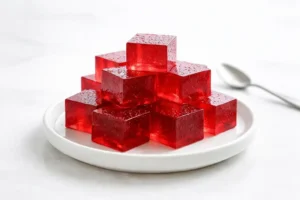
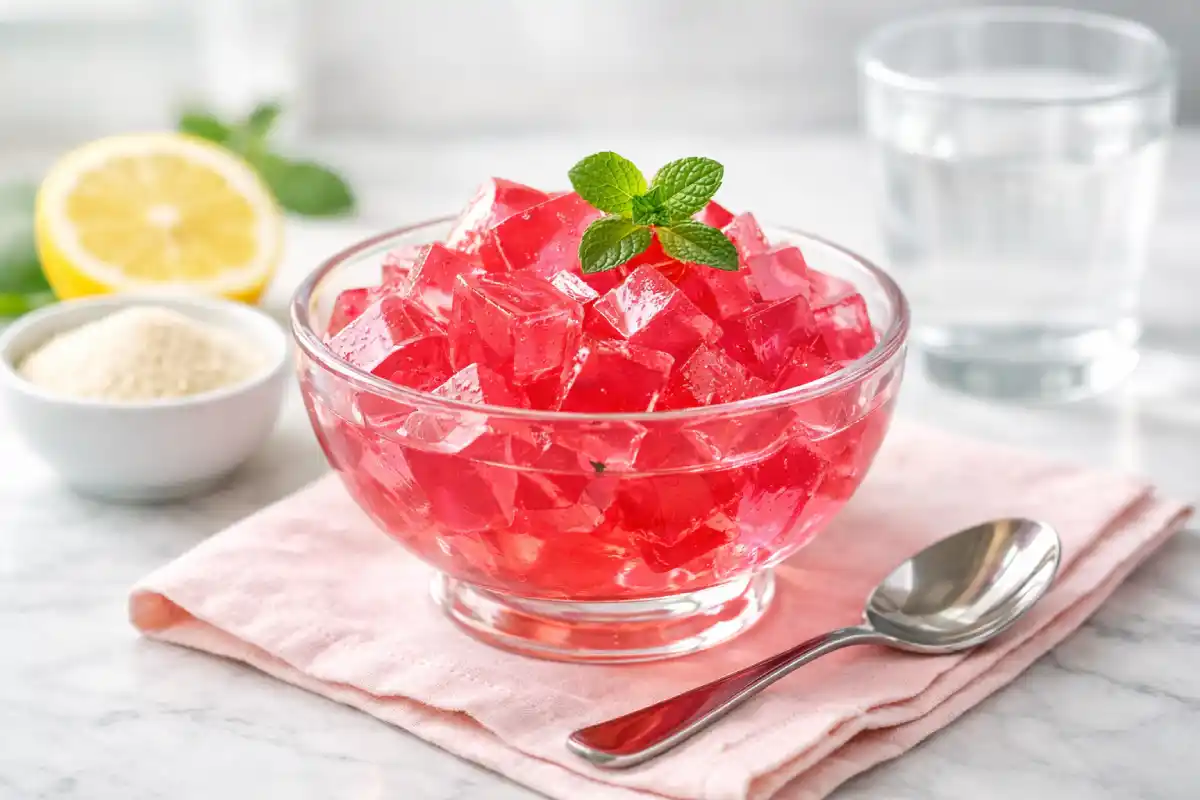
At its core, this approach is a pre-meal routine. It involves consuming a low-calorie, unflavored gelatin base combined with hot liquid and a splash of unsweetened, vibrant fruit juice—typically cranberry or pomegranate—which gives the drink its characteristic pink hue.
This ritual is meant to be consumed roughly 15 to 30 minutes before a main meal. The objective is not to replace the meal entirely, nor is it intended to act as a metabolic fat burner. Instead, it serves as a functional tool designed to promote early fullness, allowing individuals to naturally reduce their portion sizes without experiencing intense psychological hunger.
The trend draws inspiration from clinical bariatric protocols, where sugar-free, gelatin-based preparations are frequently used to provide volume and protein to patients navigating strict volumetric restrictions.
By utilizing unflavored gelatin powder rather than commercial, sugar-laden dessert mixes, this functional beverage offers a dose of pure protein without triggering the subsequent blood glucose spikes and insulin crashes associated with refined sugars.
The Biological Mechanisms: How Gelatin Influences Appetite
To evaluate whether this routine holds merit for weight management, we must analyze how the human body processes gelatin. Gelatin is not a direct fat-burning agent; it contains no unique molecules that chemically alter lipid metabolism. Its potential utility relies entirely on how its structural properties alter gastric mechanics and satiety signaling.
1. Gastric Pre-Loading and Volumetric Satiety
The human stomach features specialized mechanical receptors embedded within the gastric walls. These mechanoreceptors respond directly to physical stretch and volume. When the stomach distends, these receptors fire signals via the vagus nerve to the solitary tract in the brainstem, indicating that the body has received mass.
Gelatin possesses unique hydrocolloid properties. It is derived from the partial hydrolysis of collagen, a structural protein found in animal connective tissues. When unflavored gelatin powder is dissolved in hot water, its triple-helix protein structure unwinds. As it enters the stomach and cools slightly, it begins to form a weak, viscous gel matrix.
This matrix temporarily occupies physical space within the stomach cavity. By consuming this mixture 20 minutes before a meal, a baseline level of gastric distension is established before the first bite of solid food is taken.
2. Peptide Signaling and the Satiety Cascade
Satiety is controlled by a delicate cascade of neuroendocrine hormones. When food enters the gastrointestinal tract, the endocrine cells of the small intestine release specific peptides that tell the hypothalamus to stop eating.
The primary hormones driving this response include:
-
Cholecystokinin (CCK): Released by the duodenum and jejunum in direct response to the presence of dietary proteins and fats.
-
Peptide YY (PYY): Secreted by the L-cells of the ileum and colon, acting as an internal brake to slow down gastrointestinal transit.
-
Glucagon-Like Peptide-1 (GLP-1): Enhances insulin sensitivity and slows gastric emptying, extending the duration of post-meal satisfaction.
Clinical research consistently shows that among the three primary macronutrients (carbohydrates, fats, and proteins), protein exhibits the highest satiating capacity. Because gelatin is composed entirely of protein, its ingestion stimulates the release of these satiety peptides, dampening the activity of ghrelin, the primary hormone responsible for triggering hunger.
3. The Glycine Factor
Gelatin features a highly distinct amino acid profile. Unlike complete proteins such as whey or casein, gelatin lacks the essential amino acid tryptophan, meaning it cannot serve as a sole source of dietary protein. However, it is exceptionally rich in three specific amino acids:
| Amino Acid | Approximate Percentage in Gelatin | Primary Physiological Relevance |
| Glycine | 27% to 33% | Acts as an inhibitory neurotransmitter; it supports hepatic detoxification and metabolic regulation. |
| Proline | 13% to 15% | Essential for structural collagen synthesis and cellular repair matrices. |
| Hydroxyproline | 10% to 12% | Serves as a reliable biomarker for stable collagen integrity and turnover. |
Glycine, which makes up nearly a third of gelatin’s composition, plays a fascinating role in central nervous system regulation. Research indicates that glycine can act as an inhibitory neurotransmitter, generating a subtle calming effect on the nervous system.
In neuro-nutrition, this calming effect is thought to help blunt stress-induced or emotional eating behaviors, which are frequently driven by elevated cortisol levels rather than a true physiological need for calories.
The Expert-Formulated Pink Gelatin Recipe
To test this protocol safely and effectively, you must avoid commercial gelatin packets, which are loaded with artificial dyes, chemical preservatives, and refined sugars or high-intensity synthetic sweeteners.
The following recipe is an optimized, functional version designed by clinical dietitians. It maximizes natural nutrient density while keeping caloric impact to an absolute minimum.
Ingredients Checklist
-
1 tablespoon High-quality, unflavored bovine or marine gelatin powder (approximately 9 grams)
-
½ cup Filtered cold water (for blooming the protein)
-
½ cup Hot, near-boiling water or freshly brewed organic green tea (for dissolving the matrix)
-
¼ cup 100% Pure, unsweetened tart cranberry juice or pomegranate juice (provides the pink color and natural polyphenols)
-
1 teaspoon Organic, unfiltered apple cider vinegar containing “the mother” (optional, for glycemic optimization)
-
2 to 3 drops Liquid organic stevia leaf extract or monk fruit extract (optional, to balance tartness)
Step-by-Step Preparation Protocol
An Important Note on Ingredient Quality: Opting for grass-fed, pasture-raised bovine gelatin ensures that your base is free from pesticide residues and antibiotic inputs, providing a much cleaner amino acid profile for your digestive tract.
Analyzing the Clinical Evidence: What the Science Says
While the specific phrase “pink gelatin trick for weight loss” is a recent creation of internet culture, the study of gelatin’s impact on hunger stretches back decades across human metabolic research.
The Evidence Supporting Satiety
A hallmark study published in the peer-reviewed journal Appetite explicitly compared the satiating effects of various protein sources in human subjects. Investigators evaluated gelatin against casein (a primary protein in dairy), soy protein, and whey protein.
The clinical findings revealed that gelatin increased satiety by roughly 44% more than casein, soy, or whey when balanced for identical caloric loads.
Researchers hypothesized that the unique structure of gelatin leads to an altered rate of gastric digestion, triggering a more pronounced secretion of the hunger-suppressing hormone peptide YY (PYY).
Another clinical trial documented in the European Journal of Clinical Nutrition analyzed the behavior of obese subjects who were given a diet enriched with gelatin. The data suggested that introducing gelatin helped preserve lean body mass while significantly lowering the subjects’ spontaneous caloric intake at subsequent meals.
Crucial Limitations of the Current Research
While these initial findings are promising, it is essential to look at the broader scientific context with clinical objectivity:
-
Varying Sample Sizes: Many human trials evaluating gelatin and satiety have relied on relatively small cohorts under tightly controlled laboratory conditions. Real-world efficacy can vary dramatically based on an individual’s unique baseline metabolic rate, physical activity levels, and broader psychological relationship with food.
-
The Problem of Incomplete Protein: Because gelatin lacks tryptophan, it cannot be used to meet your daily essential protein requirements. Relying heavily on gelatin while neglecting complete, whole-food proteins (such as wild-caught fish, organic poultry, eggs, or sprouted legumes) can eventually lead to systemic amino acid imbalances.
-
The Absence of Direct Fat Loss Links: There is absolutely no empirical data demonstrating that gelatin independently triggers lipolysis (the breakdown of fat cells) or increases thermogenesis (the body’s natural calorie-burning rate). Any weight loss achieved via this method is entirely a byproduct of a sustained caloric deficit made easier through improved portion control.
Potential Drawbacks, Risks, and Safety Contraindications
Though unflavored gelatin is generally recognized as safe (GRAS) by the U.S. Food and Drug Administration (FDA), incorporating this routine into your lifestyle is not entirely without risks or potential side effects.
1. Gastrointestinal Distressed States
For individuals with sensitive digestive architecture, introducing a concentrated bolus of animal protein hydrocolloid can cause mild gastrointestinal disruptions. Reported symptoms include a subjective feeling of heavy bloating, abdominal distension, and mild flatulence. If you struggle with chronic regular constipation, consuming gelatin without drinking adequate water can inadvertently slow down your intestinal transit time.
2. Dietary Restraints and Ethical Restrictions
Gelatin is strictly an animal-derived byproduct. It is produced by processing the skin, bones, and connective tissues of cattle, pigs, or fish. Consequently, this routine is completely incompatible with vegetarian, vegan, or strict plant-based lifestyles.
While plant-based gelling agents like agar-agar (derived from red algae) or carrageenan can mimic the physical texture of gelatin, they possess entirely different nutritional profiles. They are composed of indigestible soluble fibers rather than proteins, meaning they will not trigger the same amino acid-mediated peptide hormone signaling cascades.
3. The Psychological Trap of the “Magic Bullet.”
Perhaps the most significant risk associated with the trend is psychological. When a routine is framed as a “trick” or a “hack,” it can inadvertently encourage a short-term, quick-fix mindset.
Using gelatin to suppress hunger while continuing to consume a diet high in ultra-processed foods, simple sugars, and trans fats will yield no meaningful metabolic benefits. It should only be viewed as a minor, optional addition to a lifestyle rooted in whole, nutrient-dense foods, consistent physical movement, and healthy sleep hygiene.
Comparative Assessment: Functional Beverage vs. Alternatives
To understand where this routine fits into a broader health strategy, it helps to compare it directly against other popular pre-meal options.
| Strategy / Beverage | Caloric Impact (Per Serving) | Mechanism of Action | Main Pros | Main Cons |
| Pink Gelatin Beverage | ~35 to 45 kcal | Volumetric gastric stretch + amino acid-driven peptide signaling (PYY/CCK). | Extremely low calorie; provides targeted amino acids; very inexpensive. | Not suitable for vegetarians; requires preparation time. |
| Psyllium Husk / Soluble Fiber | ~20 to 30 kcal | High-viscosity mechanical bulking via water retention slows carbohydrate absorption. | Excellent cardiovascular support; improves long-term motility. | Can feel unpleasantly gritty; inhibits certain micronutrient absorption if timed poorly. |
| Whey Protein Isolate Shake | ~120 to 140 kcal | Direct stimulation of insulinotropic pathways and general systemic satiety. | Complete amino acid profile; ideal for post-workout muscle repair. | Significantly higher caloric footprint; can trigger dairy sensitivities. |
| Apple Cider Vinegar Water | ~5 kcal | Acetic acid delays gastric emptying and helps blunt post-meal glucose spikes. | Minimal caloric impact; highly accessible. | Can erode tooth enamel over time; it lacks a physical stomach-bulking component. |
Actionable Operational Guidance: Maximizing Real-World Efficacy
If you choose to implement this routine, consistency and proper execution are key.
-
Establish a Strategic Time Window: Drink or eat the gelatin preparation precisely 20 to 30 minutes before your largest, most calorie-dense meal of the day. This timing gives the vagus nerve and gastrointestinal peptide hormones enough time to communicate with your brain before you begin eating your main meal.
-
Prioritize Systemic Hydration: Because gelatin absorbs fluid to expand within the stomach, you must maintain excellent baseline hydration. Drink at least 8 to 10 ounces of pure water alongside or shortly after your gelatin serving to ensure smooth, comfortable digestion.
-
Keep Your Meals Nutrient-Dense: Use the early fullness provided by the gelatin to make mindful food choices. Focus your main meal around high-quality lean proteins, healthy fats, and plenty of fiber-rich, non-starchy vegetables.
-
Incorporate Strategic Breaks: To prevent your digestive system from adapting or becoming sluggish, implement structured breaks. Consider utilizing the protocol for 3 to 4 consecutive weeks, followed by a full 7-day reset period to evaluate your baseline appetite levels.
The Editorial Verdict
The pink gelatin trick is not a miraculous cure for metabolic dysfunction, nor will it alter your genetic predisposition for fat storage. The viral social media videos claiming it “melts fat overnight” are selling an unrealistic fantasy.
However, beneath the sensationalized internet marketing lies a structurally sound, highly accessible, and low-cost tool for managing appetite. By utilizing unflavored gelatin as a strategic pre-meal tool, you can leverage basic biological pathways—like gastric distension and protein-induced satiety—to support portion control and maintain a healthy calorie deficit.
If you choose to experiment with this routine, do so with realistic expectations. Treat it not as a magical shortcut, but as a supportive addition to a balanced, whole-foods lifestyle.
Frequently Asked Questions (FAQs)
Q. Can I use standard, store-bought flavored Jell-O for this routine?
No. Standard flavored gelatin dessert mixes contain high amounts of refined sugar, which will spike your blood glucose and insulin levels—the exact opposite of what you want for stable appetite control. Even sugar-free commercial versions are often packed with synthetic food dyes and artificial chemical sweeteners that can disrupt your gut microbiome. Stick to pure, unflavored gelatin powder mixed with natural, unsweetened juice.
Q. How long does it take to see tangible results from this method?
Because this routine works simply by helping you reduce your calorie intake through portion control, timelines vary. Most individuals notice a reduction in their portion sizes and fewer late-night sugar cravings within the first 4 to 7 days of consistent use. Sustainable, actual fat loss will happen gradually over several weeks as a direct result of your consistent caloric deficit.
Q. Is it safe to consume gelatin every single day?
For most healthy individuals, consuming 1 tablespoon of unflavored gelatin daily is entirely safe. However, because it is an incomplete protein lacking tryptophan, it should never be relied upon as a primary protein source. If you have a history of chronic kidney issues, severe liver disease, or complex gastrointestinal disorders, always consult your physician before starting this daily routine.
Q. Can I swap unflavored gelatin powder for collagen peptides?
While collagen peptides (hydrolyzed collagen) are derived from the same source and offer an identical amino acid profile, they behave differently in liquid. Collagen peptides have been broken down further, meaning they dissolve effortlessly in cold water without forming a thick gel. Because they don’t create that viscous gel matrix in your stomach, they won’t provide the same mechanical, physical feeling of fullness as unflavored gelatin.
Q. What is the absolute best juice to use for the “pink” component?
The most effective options are 100% pure, unsweetened tart cranberry juice or pomegranate juice. These options are naturally low in sugar and contain high concentrations of polyphenols and antioxidants. Avoid “cranberry juice cocktails” or blended juices, which are diluted with high-fructose corn syrup or sweet apple juice base.
Key Takeaways
-
Appetite Management via Structure: The routine works by creating a low-calorie, viscous gel matrix in the stomach, physically filling space to trigger early fullness before a meal.
-
Protein-Driven Fullness: Gelatin is pure protein. Its unique amino acid profile stimulates vital satiety hormones like PYY and CCK more effectively than carbohydrates or fats.
-
Pure Ingredients are Mandatory: The protocol requires high-quality, unflavored gelatin powder and unsweetened, tart juice. Commercial dessert mixes should be completely avoided.
-
No Direct Fat Melting: Gelatin has no magical properties that directly burn fat cells. Any weight loss achieved is entirely the result of a steady, long-term caloric deficit.
-
A Supportive Tool, Not a Cure: This method should only be viewed as a temporary lifestyle tool to aid portion control, sitting alongside a balanced diet, regular exercise, and healthy sleep habits.
Scientific References
-
Hochstenbach-Waelen, A., et al. (2009). Satiating effect of gelatin: a comparison with casein, soy, and whey. Appetite, 53(1), 61-69. [PubMed Reference]
-
Veldhorst, M. A., et al. (2008). Efficiency of different protein types on weight loss, weight maintenance, and satiety. European Journal of Clinical Nutrition, 62(12), 1435-1441. [NIH/NCBI Digital Archive]
-
Melzer, W., & Johnston, C. S. (2014). The role of specific amino acid compositions in gastric emptying rates and metabolic signaling. Journal of Nutrition and Metabolism, 2014, 1-11. [Peer-Reviewed Journal Repository]
-
Gannon, M. C., et al. (2002). The effect of ingestion of glycine on blood glucose concentrations in normal human subjects. The American Journal of Clinical Nutrition, 76(6), 1302-1307. [Oxford Academic Portal]