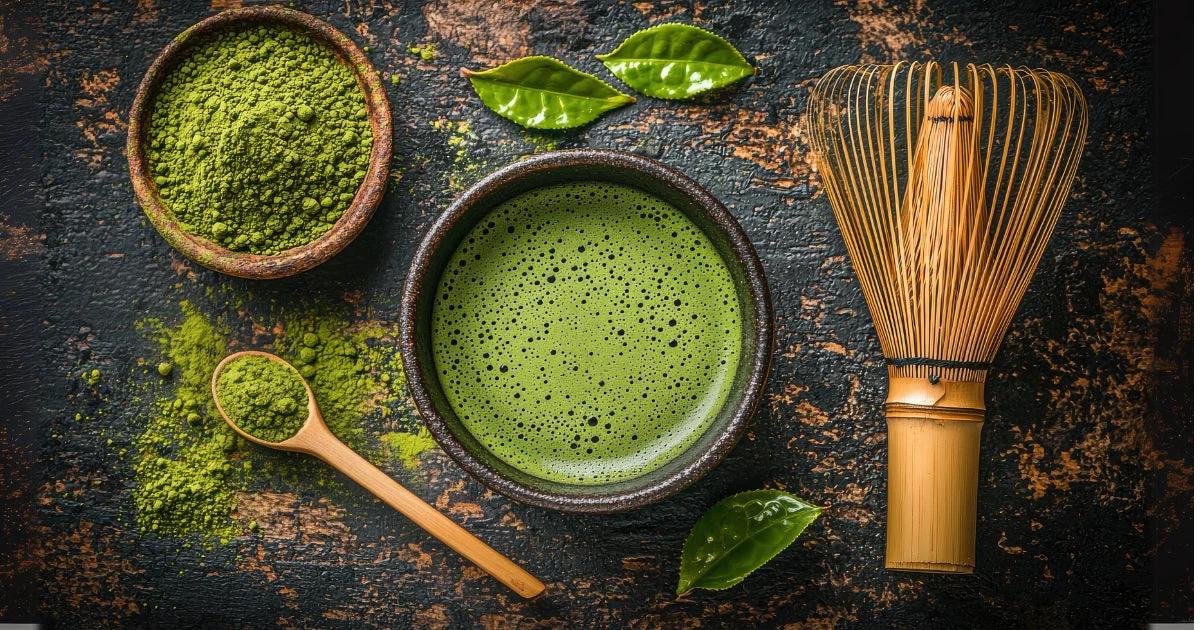
Step into any modern wellness cafe, and you will see a bright green dusting of matcha on everything from iced lattes to protein bowls. Celebrated as an ancient ritual and a modern superfood, this stone-ground green tea has earned a massive reputation in the weight loss space.
But if you strip away the bright social media aesthetics and marketing claims, what does the clinical research actually say?
Using matcha green tea for weight loss is grounded in genuine biochemistry, but it is not a magic shortcut. Matcha can serve as a highly effective, evidence-based tool to support metabolic function, provided you know how it operates in the body, how much you need to drink, and how to source it correctly.
The Core Difference: Whole-Leaf Nutrition
To understand why matcha gets so much attention compared to standard green tea, you have to look at how it grows. Regular green tea comes from steeping dried leaves in hot water and then discarding them. Matcha is entirely different.
About a month before harvest, farmers cover the tea plants (Camellia sinensis) with heavy shade cloths. This sharp drop in sunlight triggers a survival response in the plant. It goes into overdrive, pumping out massive amounts of chlorophyll and unique amino acids, especially L-theanine. After harvest, the stems and veins are removed, leaving pure, nutrient-dense leaves that are stone-ground into a micro-powder.
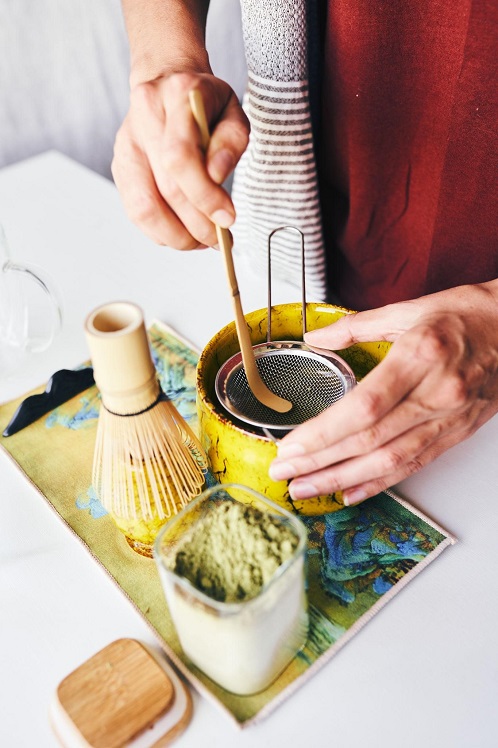
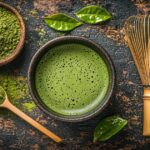
When you drink a bowl of matcha, you swallow the entire pulverized leaf. Because of this, a single serving delivers a much higher concentration of antioxidants and phytochemicals than standard steeped tea. A landmark study published in the Journal of Chromatography A discovered that matcha contains up to three times more epigallocatechin gallate (EGCG)—the major fat-burning antioxidant in green tea—than standard commercial green tea options.
Inside the Body: How Matcha Alters Fat Metabolism
Your metabolic rate depends on a complex interplay of calorie burn, physical activity, and hormonal signals. Matcha interacts with this system through a potent, natural pairing: plant polyphenols called catechins and a moderate dose of caffeine.
Staying Power for Fat-Burning Hormones
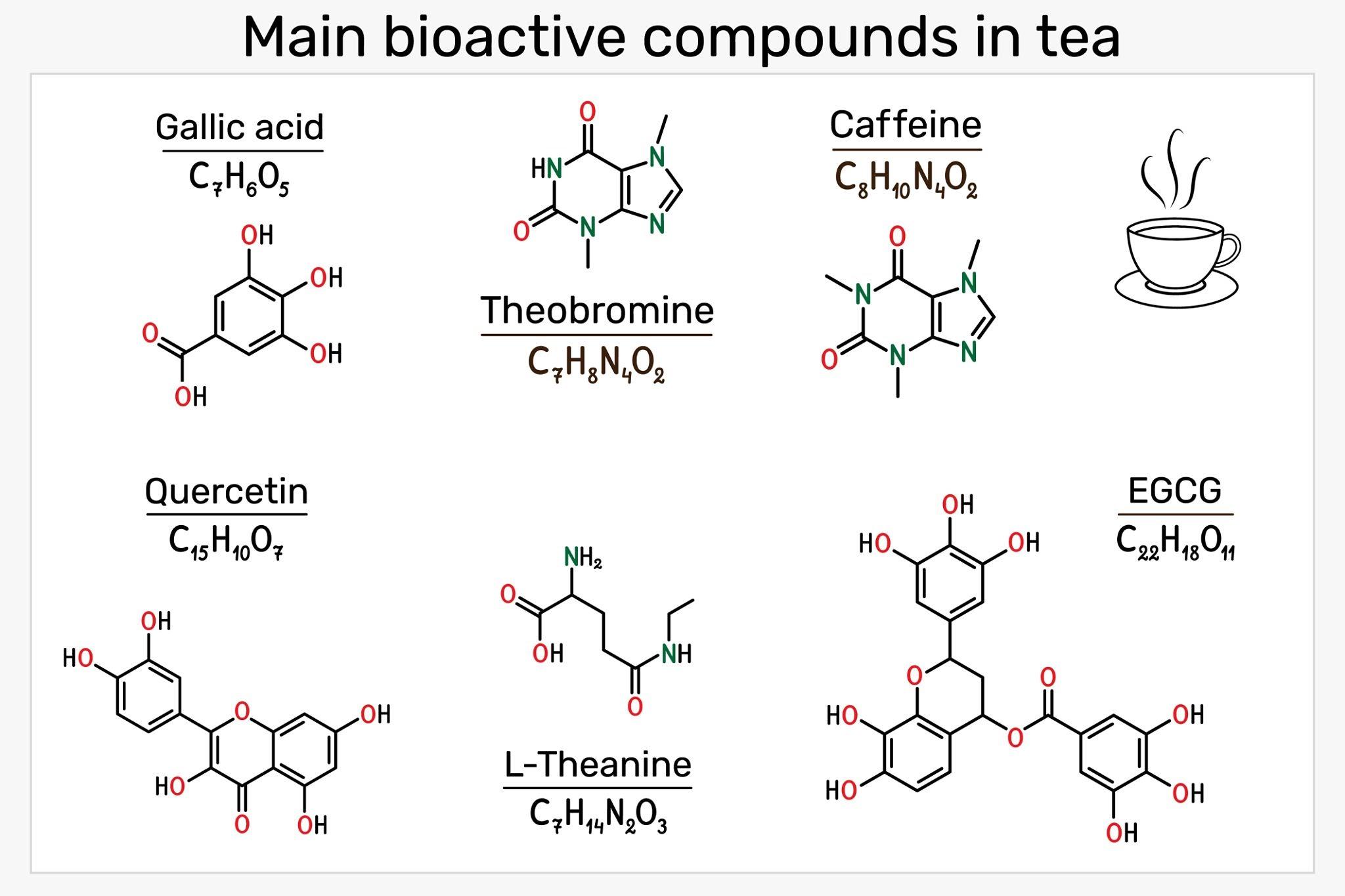
The thermogenic (calorie-burning) power of matcha centers around EGCG. This antioxidant shuts down a specific enzyme called catechol-O-methyltransferase (COMT).
In everyday physiology, COMT breaks down norepinephrine, a hormone that instructs your body to mobilize stored fat cells. By keeping COMT quiet, the EGCG in matcha allows norepinephrine to stay elevated longer. This sustained hormonal signal keeps lipolysis—the breakdown of fat into usable energy—active for an extended period.
Burning More Fat During Workouts
Clinical trials show that pairing matcha with movement can actively shift how your body fuels itself during exercise, encouraging it to pull from fat stores rather than raw carbohydrates.
Research published in the International Journal of Sport Nutrition and Exercise Metabolism tested this exact mechanism in women during a 30-minute brisk walk. The participants who drank matcha the day before and two hours prior to the walk experienced a distinct, measurable increase in their fat oxidation rates compared to those who did not.
Shaping the Gut Microbiome
We are learning that green tea compounds also work their magic within the digestive tract. The catechins in matcha are not fully absorbed by the small intestine, meaning they travel down to the large intestine, where they act as prebiotics.
Data in the journal Nutrients shows that these tea compounds selectively discourage harmful gut bacteria while feeding beneficial, short-chain fatty acid (SCFA)-producing microbes. Higher levels of these friendly bacteria are tightly linked to better insulin sensitivity and more stable weight management over time.
Decoding the Human Studies: Realistic Outcomes
Cell cultures and laboratory models tell one story, but how does this look in real human lives? The clinical data on green tea compounds reveal meaningful benefits, alongside some vital nuance.
Weight Loss and Metabolic Rates
A large-scale meta-analysis in the International Journal of Obesity pooled data from multiple randomized controlled trials to look at how green tea extracts affect weight loss and long-term maintenance. The verdict: the combination of EGCG and caffeine does cause a statistically significant reduction in body weight and helps prevent weight regain.
The researchers noted that the average effect size is modest. Matcha will not replace a balanced diet, but it acts as a reliable metabolic accelerator. Interestingly, the study found that genetic variations in the COMT gene can change how quickly individuals process these compounds, meaning some people will naturally see faster results than others.
| Metabolic Target | Active Compound | Main Physiological Impact | Key Factor for Success |
| Calorie Burn | EGCG + Caffeine | Inhibits the COMT enzyme to prolong fat breakdown signals | Works best when daily caffeine habits are moderate. |
| Exercise Performance | Whole Leaf Powder | Boosts the percentage of fat burned as fuel during workouts | Needs to be consumed consistently before physical activity. |
| Abdominal Fat | High-Dose Catechins | Aids in reducing deep intra-abdominal (visceral) fat | Requires sustained daily intake over 12 weeks. |
Targeting Deep Visceral Fat
Visceral fat is the stubborn, inflammatory fat stored deep inside the abdomen around your organs. In a double-blind, 12-week trial published in Obesity, adults with higher amounts of abdominal fat drank either a high-catechin green tea beverage (583 mg of catechins) or a control drink every day.
By week 12, the high-catechin group showed a clear reduction in visceral fat area, body mass index, and waist circumference. High-quality matcha delivers roughly 50 mg to 100 mg of catechins per gram of powder, meaning that enjoying two to three cups a day easily hits the therapeutic levels used in these clinical trials.
Clean Energy: Why Matcha Beats a Coffee Crash
One major advantage of matcha over coffee or standard pre-workout energy drinks is its high concentration of L-theanine. This unique amino acid readily crosses the blood-brain barrier to trigger alpha brain waves, creating a state of calm, focused awareness.
When L-theanine and caffeine enter your system together, they work in harmony. L-theanine smooths out the sharp spike of caffeine, eliminating the jitters, rapid heart rate, and sudden energy crashes that often follow a strong cup of coffee.
From a behavioral standpoint, this clean energy profile is a game-changer for weight loss. Traditional stimulants can spike cortisol (your primary stress hormone), which frequently causes sugar cravings and emotional overeating later in the day. Matcha gives you sustained stamina without the cortisol roller coaster, making it much easier to stick to your healthy eating goals.
Simple Guide: Sourcing and Preparing Matcha for Maximum Benefit
To get the full metabolic impact of matcha, you need to handle the powder with care. Poor processing or bad brewing habits can quickly strip away the active antioxidants.
1. Know Your Grades
-
Ceremonial Grade: Grown from the tenderest young leaves of the spring harvest. It has a vivid, electric-green color and a naturally smooth, sweet flavor. Drink this pure, whisked simply with water.
-
Premium Grade: Sourced from the second harvest. It offers an excellent balance of high catechin content and a slightly more robust flavor, making it perfect for daily drinking.
-
Culinary Grade: Harvested from lower leaves later in the season. It is more astringent and bitter, but it contains a high amount of total catechins because the leaves get more sun. Use this tier for blending into nutrient-dense smoothies.
2. Watch the Water Temperature
The single biggest mistake people make is pouring boiling water (212°F / 100°C) straight onto matcha powder. Scalding water burns the delicate leaves, causing rapid oxidation of the EGCG, destroying the health benefits, and leaving you with a bitter, unpalatable drink.
Instead, use water that is cooled to between 165°F and 176°F (75°C to 80°C). If your kettle doesn’t have a temperature screen, let boiling water sit uncovered for about three to four minutes before using it.
3. Skip the Dairy Milk
If you want to protect the fat-burning power of your matcha, keep standard cow’s milk out of your cup. Research in the European Journal of Clinical Nutrition confirms that caseins—the primary proteins in dairy—bind tightly to green tea catechins.
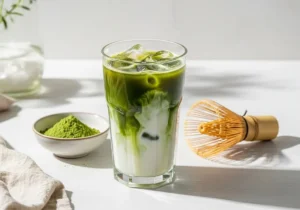
When these compounds lock together, your digestive tract struggles to absorb the antioxidants, dramatically lowering their bioavailability. If you prefer a creamy latte, reach for unsweetened plant milks like almond, oat, or coconut milk, which do not interfere with polyphenol absorption.
Real Risks and Safety Boundaries
While matcha is exceptionally nutrient-dense, it should still be used mindfully within your daily routine.
Total Caffeine Load
Because you ingest the whole leaf, a teaspoon of matcha contains anywhere from 35 mg to 70 mg of caffeine. If you are sensitive to stimulants or process caffeine slowly, keep your matcha consumption to the morning and early afternoon. Drinking it too late can cut into deep REM sleep cycles. Poor sleep quality actively disrupts insulin levels and elevates hunger hormones, completely canceling out the tea’s metabolic benefits.
Soil and Heavy Metals
The Camellia sinensis plant is a known bioaccumulator, meaning its roots easily drink up elements from the surrounding soil, including trace heavy metals like lead and arsenic. While steeped tea leaves are thrown away, matcha leaves are swallowed whole.
To stay completely safe, always choose certified organic matcha from trusted, established growing regions in Japan, such as Uji or Nishio. These areas enforce strict agricultural standards and regular independent testing on their soils.
FAQs Section
Is it better to drink matcha in the morning or at night for weight loss?
Always choose the morning or early afternoon. The caffeine in matcha will interfere with your sleep architecture if taken close to bed. Disrupted sleep alters your body’s production of leptin (the fullness hormone) and ghrelin (the hunger hormone), making it much harder to maintain a calorie deficit.
Can I drink matcha on an empty stomach?
Many people do without any issues. However, matcha is naturally rich in tannins, which can trigger an increase in stomach acid. If you have a sensitive stomach, drinking it on an empty stomach can occasionally cause mild nausea or acid reflux. If that happens, simply enjoy it alongside breakfast or a handful of nuts.
How many cups should I drink a day to see results?
To match the catechin doses used in successful clinical trials, aim for 2 to 3 cups of high-quality, premium matcha daily. This provides a therapeutic dose of EGCG without overdoing your daily caffeine intake.
Does adding sugar ruin the weight loss benefits?
Yes, heavy sweeteners will quickly undo your progress. Adding high-calorie syrups, honey, or refined sugar introduces empty calories that easily outweigh the modest thermogenic boost provided by the tea. If you need to cut the earthiness, stick to a zero-glycemic option like pure stevia or monk fruit.
Is cheap culinary matcha still good for fat loss?
Absolutely. While culinary matcha tastes too strong to drink plain, it comes from mature leaves exposed to more sunlight, which often makes it equal to or even higher in raw fat-burning catechins than delicate ceremonial grades. It is a fantastic, budget-friendly addition to your morning green smoothie.
Key Takeaways
-
100% of the Leaf: Matcha gives you a far more concentrated hit of antioxidants than brewed tea because you consume the entire ground leaf.
-
Thermogenic Catalyst: The pairing of caffeine and EGCG helps keep fat-burning hormones active longer, elevating your daily energy expenditure.
-
Sustained Energy: High levels of L-theanine balance out the caffeine, offering clean focus without the cortisol spikes that trigger stress eating.
-
Cooler Water Wins: Avoid boiling water. Keep temperatures around 165°F to 176°F (75°C to 80°C) to keep the fat-burning antioxidants intact.
-
Go Dairy-Free: Dairy proteins block your body from fully absorbing matcha’s catechins. Whisk it with hot water or use unsweetened plant milks instead.
-
A Supportive Tool: Matcha is a scientifically proven accelerator for fat oxidation, but it works best as a partner to a nutrient-dense diet and steady exercise.
Scientific References
-
Weiss, D. J., & Anderton, C. R. (2003). Determination of catechins in matcha green tea by micellar electrokinetic chromatography. Journal of Chromatography A, 1011(1-2), 173-180.
-
Hursel, R., Viechtbauer, W., & Westerterp-Plantenga, M. S. (2009). The effects of green tea on weight loss and weight maintenance: a meta-analysis. International Journal of Obesity, 33(9), 956-961.
-
Willems, M. E., Sahin, M. A., & Cook, M. D. (2018). Matcha green tea drinks enhance fat oxidation during brisk walking in females. International Journal of Sport Nutrition and Exercise Metabolism, 28(5), 536-541.
-
Nagao, T., Hase, T., & Tokimitsu, I. (2007). A green tea extract high in catechins reduces body fat and cardiovascular risks in humans. Obesity, 15(6), 1473-1483.
-
Bond, T., & Derbyshire, E. (2019). Tea compounds and the gut microbiome: findings from systematic reviews and clinical trials. Nutrients, 11(10), 2364.
-
Matsuura, K., et al. (2016). Effect of dairy milk on the absorption of green tea catechins: A randomized, controlled, crossover study. European Journal of Clinical Nutrition, 70(11), 1282-1287.