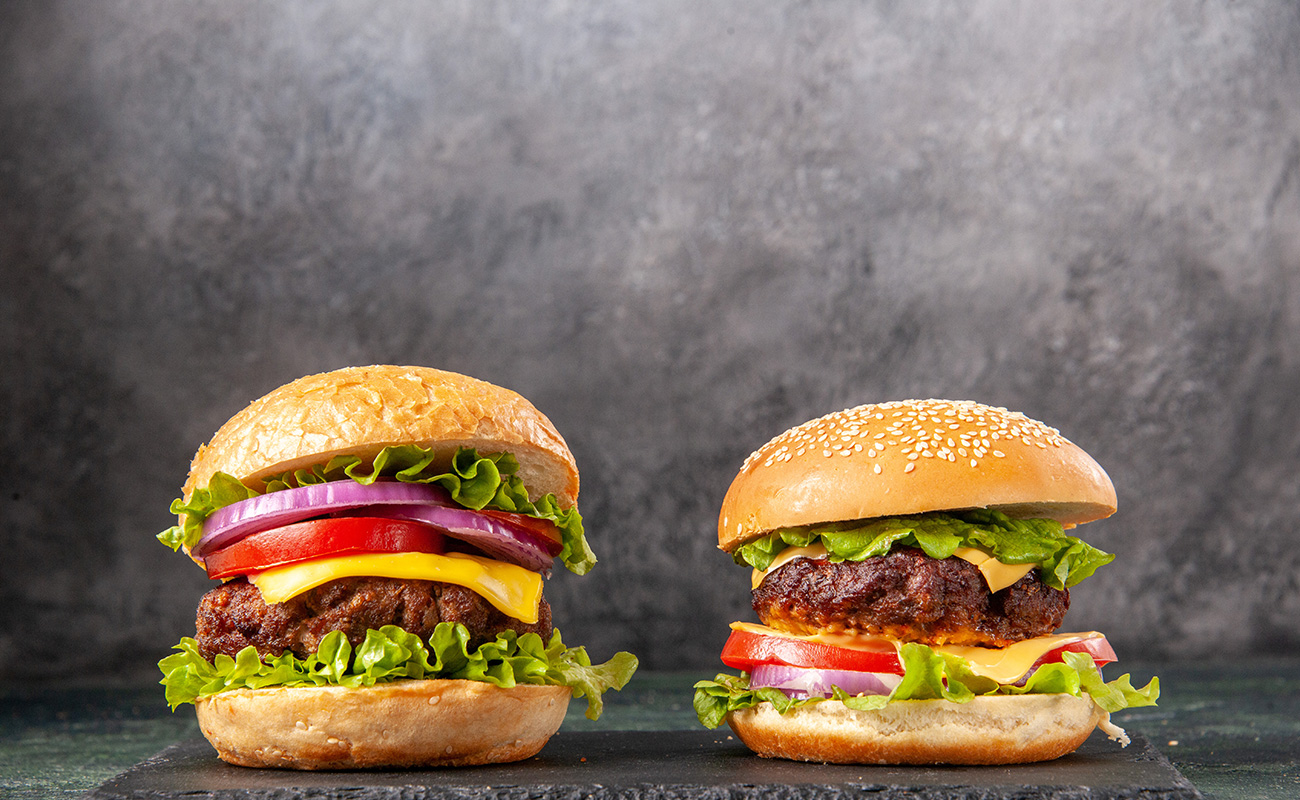
The initial buzz surrounding modern meat alternatives felt like a classic Silicon Valley tech disruption. When next-generation veggie patties first hit fast-food menus and grocery aisles, they were treated as a novelty item for the deeply eco-conscious or strictly vegan. Critics predicted a quick rise and an equally rapid fall, assuming consumers would eventually revert to traditional beef out of comfort and habit.
Market realities have defied those early skeptical predictions. Plant-based burgers have successfully transitioned from a trendy experimental product into a permanent grocery list fixture. This shift isn’t merely driven by clever marketing; it is anchored in significant breakthroughs in food science, shifts in consumer health priorities, and a growing body of peer-reviewed clinical research. To understand why these products have earned permanent placement on American plates, we need to examine what happens when we swap animal muscle tissue for engineered botanical proteins.
The Anatomy of Modern Plant-Based Burgers
Understanding the permanent status of alternative meats requires looking past the marketing slogans and directly into the ingredient deck. Unlike the dense, dry bean-and-oat patties of the 1990s, modern alternatives are designed to replicate the specific sensory experience of animal meat at a molecular level.
The structural matrix relies primarily on isolated plant proteins. Manufacturers typically harvest these proteins from yellow peas, soy, or wheat. These raw proteins undergo a physical process known as high-moisture extrusion. By applying precise amounts of heat, mechanical shear, and water, industrial extruders realign the globular plant proteins into linear, fibrous sheets that mimic the specific chew and tensile strength of mammalian muscle tissue.
To replicate animal fat, food scientists incorporate structured lipids, most notably refined coconut oil and canola oil. Coconut oil remains solid at room temperature because of its high saturated fat content, creating small pockets of solid fat within the raw patty. When exposed to heat on a grill, these lipids melt at specific thermal thresholds, mimicking the marbling and juiciness of a traditional beef patty. The characteristic pink hue and metallic taste of raw beef are often achieved using leghemoglobin—an iron-carrying molecule sourced from the root nodules of soy plants—or natural juices derived from red beets and pomegranates.
Head-to-Head Nutritional Architecture
A central element of the debate surrounding plant-based burgers is how their nutritional profile compares to conventional 80/20 ground beef. Looking at the macronutrient and micronutrient metrics reveals a complex, nuanced picture.
Nutritional Comparison (Per 113g / 4oz Serving)
| Nutrient Metric | Conventional Ground Beef (80/20) | Leading Pea-Protein Burger | Leading Soy-Protein Burger |
| Calories | ~290 kcal | ~230 kcal | ~240 kcal |
| Protein | ~19g – 22g | ~20g | ~19g |
| Total Fat | ~23g | ~14g | ~14g |
| Saturated Fat | ~9g | ~5g | ~6g |
| Cholesterol | ~80mg | 0mg | 0mg |
| Dietary Fiber | 0g | ~2g – 5g | ~3g |
| Sodium | ~75mg | ~390mg | ~370mg |
Protein Quality and Bioavailability
Traditional beef contains all essential amino acids in a highly bioavailable structure, scoring a perfect 1.0 on the Digestible Indispensable Amino Acid Score (DIAAS). Historically, standalone plant proteins fell short because of limiting amino acids; for example, legumes are typically low in methionine.
Modern formulations resolve this issue by combining complementary protein isolates (such as pea and rice proteins) or utilizing high-quality soy protein isolate. This allows alternative patties to achieve an amino acid profile that closely mirrors animal protein.
The Lipid and Sodium Trade-off
From a cardiovascular health perspective, alternative patties offer a clear advantage by eliminating dietary cholesterol. They also consistently deliver lower amounts of saturated fat than an 80/20 beef blend.
This advantage comes with a distinct trade-off. To maximize palatability and structural integrity, plant-based formulations require substantially more processing sodium. A standard plant-based patty contains between 350mg and 400mg of sodium, whereas an unseasoned raw beef patty contains less than 80mg. For individuals managing clinical hypertension, this stark difference requires careful meal planning.
What Clinical Research Says About Health Outcomes
Determining whether replacing beef with plant alternatives yields definitive health benefits requires looking beyond short-term laboratory assessments to rigorous human clinical trials.
The SWAP-MEAT Trial Insights
One of the most consequential studies addressing this question is the SWAP-MEAT (Study With Appetizing Plant-Based Meat Alternatives) trial, a randomized crossover study conducted by researchers at the Stanford University School of Medicine. Over a multi-week period, participants consumed at least two daily servings of either conventional animal meat or next-generation plant-based meat alternatives, keeping all other dietary variables constant.
The findings published in The American Journal of Clinical Nutrition revealed several measurable health shifts when participants consumed the plant-based options:
-
LDL Cholesterol Reduction: Participants experienced a statistically significant reduction in low-density lipoprotein cholesterol (LDL-C), a primary biomarker monitored for cardiovascular disease risk.
-
TMAO Reduction: The study observed a decrease in fasting levels of Trimethylamine N-oxide (TMAO). TMAO is a gut-microbiome-derived metabolite produced when intestinal bacteria digest compounds abundant in red meat, like choline and L-carnitine. Elevated TMAO levels are strongly linked to atherosclerosis and adverse cardiovascular events.
-
Weight Maintenance: Despite the processed nature of alternative meats, participants did not gain weight during the plant-based phase; in fact, many experienced minor reductions in body weight, partly due to the added dietary fiber.
Navigating the Ultra-Processed Food Label
Critics frequently dismiss plant-based burgers by categorizing them as ultra-processed foods (UPFs). Epidemiological data consistently connect high intake of industrial ultra-processed foods to elevated risks of metabolic syndrome, type 2 diabetes, and all-cause mortality.
Medical experts urge caution against overgeneralization. The nutritional impact of a food product depends heavily on its specific nutrient composition, not just its level of processing. While a plant-based burger is technically ultra-processed due to its use of isolated proteins and emulsifiers, it delivers structural fiber, eliminates cholesterol, and reduces saturated fat. Consequently, treating an alternative meat patty as nutritionally equivalent to a sugary soda or a commercially packaged pastry ignores the distinct metabolic impacts of its component ingredients.
Environmental Sustainability and Public Health Imperatives
The long-term case for alternative proteins extends far beyond individual metabolic markers. Public health organizations increasingly view plant-based burgers through the lens of planetary health, recognizing that ecosystem stability directly influences human health outcomes.
Resource Allocation Metrics
According to comprehensive lifecycle assessments conducted by academic institutions, producing a plant-based patty requires roughly 90% fewer greenhouse gas emissions, 46% less energy, 99% less water, and 93% less land compared to an equivalent portion of U.S. beef.
Reducing our reliance on industrial livestock systems directly lowers the risk of zoonotic disease spillover—the transmission of viral pathogens from animal populations to humans. Furthermore, industrial livestock farming consumes a significant portion of global antibiotic supplies to accelerate animal growth and prevent infections in crowded settings. Transitioning toward plant protein cultivation helps mitigate the global threat of antimicrobial-resistant bacterial strains.
Overcoming Consumer Hurdles: Flavor, Texture, and Price
For any novel food option to transition permanently into mainstream home kitchens, it must clear three practical hurdles: texture, taste, and cost parity.
Early iterations of veggie burgers struggled with a distinct “beany” aftertaste, caused by volatile organic compounds like hexanal binding to the raw proteins. Food scientists successfully addressed this issue by using advanced flash-pasteurization techniques and adding natural taste-masking agents derived from yeast extracts.
Achieving structural parity required optimizing the thermal gelation properties of plant isolates. When you cook a plant-based patty, its proteins form a stable network that retains moisture and fats, preventing the burger from drying out or losing its structural integrity on the grill.
The final challenge is price parity. Historically, plant-based meat alternatives carried a premium price tag due to specialized manufacturing processes and smaller production volumes. As manufacturers expand production facilities and optimize supply chains, the price gap with conventional beef continues to close. Reaching true cost parity is a key factor that will determine whether these products remain accessible staples for a broad consumer base.
How to Select and Cook Plant-Based Burgers Safely
From a culinary and food safety standpoint, handling plant-based meats requires adjusting some traditional cooking habits.
Smart Grocery Store Selection
When evaluating options in the grocery aisle, look closely at the ingredient definitions and nutrition facts panel. Prioritize brands that use complete protein bases, such as pea or soy protein isolates, rather than unrefined vital wheat gluten, which lacks a balanced amino acid profile and is a common allergen. If you are managing your cardiovascular health, choose formulations that contain less than 4g of saturated fat per serving and keep sodium content below 400mg.
Best Kitchen and Grilling Practices
Because engineered plant patties lack the exact cellular structure of animal tissue, they can stick to cooking surfaces more easily. To prevent this, use a well-seasoned cast-iron skillet or a clean, lightly oiled grill grate heated to medium-high.
-
Avoid Over-handling: Allow the patty to sear undisturbed for 3 to 4 minutes per side to let the Maillard reaction develop a savory crust.
-
Use a Thermometer: Do not rely on internal color changes to judge doneness. The plant pigments and leghemoglobin can look pink even after the proteins are safely cooked. Always use a digital food thermometer to verify that the center has reached an internal temperature of 165°F (74°C).
-
Mind the Sodium Content: Because alternative patties are pre-seasoned with a generous amount of salt during manufacturing, avoid adding extra salt during cooking. Instead, enhance the flavor using freshly ground black pepper, garlic powder, or fresh aromatics.
Key Takeaways
-
Advanced Formulation: Modern plant-based burgers use high-moisture extrusion and structured lipids to accurately replicate the flavor, aroma, and mouthfeel of conventional ground beef.
-
Cardiovascular Advantages: Clinical evidence, including Stanford’s SWAP-MEAT trial, demonstrates that swapping beef for plant-based alternatives can significantly lower LDL cholesterol and decrease levels of the heart-disease-linked metabolite TMAO.
-
The Sodium Consideration: While alternative patties are entirely free of cholesterol and contain less saturated fat than conventional beef, they are highly processed and contain significantly more sodium per serving.
-
Environmental Benefits: Transitioning to plant-based options drastically reduces greenhouse gas emissions, land use, and water consumption, while mitigating broader public health risks like antibiotic resistance.
-
Cooking Adjustments: For the best results, sear alternative patties over medium-high heat without adding extra salt, and use a digital thermometer to ensure the center reaches a safe internal temperature of 165°F.
FAQ Section
Q. Are plant-based burgers healthier than real ground beef?
The answer depends on your individual health goals. Plant-based burgers offer clear cardiovascular benefits by providing dietary fiber, eliminating cholesterol, and containing less saturated fat than conventional 80/20 ground beef. However, they are an industrial, processed food containing significantly higher sodium levels than raw beef. For those prioritizing whole, unseasoned foods or managing hypertension, lean organic beef or whole-food veggie patties made from beans and grains may be preferable.
Q. Do plant-based burgers cause systemic inflammation?
There is no robust clinical evidence indicating that modern plant-based meats promote systemic inflammation. In fact, clinical crossover studies tracking inflammatory markers like C-reactive protein (CRP) have found no adverse increases when participants replaced beef with plant alternatives. The fiber content and lower saturated fat profile can support a favorable metabolic environment.
Q. Are the soy proteins used in these burgers safe for hormone health?
Yes. Extensive peer-reviewed research indicates that the phytoestrogens (isoflavones) found in soy protein isolates do not affect human endocrine function or alter estrogen levels in men or women. The human body processes plant-based phytoestrogens differently from mammalian estrogen, making soy isolates a safe and reliable protein source.
Q. Why do some plant-based burgers look like they are bleeding?
This visual effect is achieved through food chemistry. Some brands add soy leghemoglobin—an iron-rich protein found naturally in the root nodules of soy plants—which closely mirrors the oxygen-carrying myoglobin in animal muscle. Other formulations use natural, heat-sensitive extracts from red beets and pomegranates that darken during cooking, shifting from a bright raw red to a deep, caramelized brown.
Q. Can you build muscle effectively by eating plant-based burgers?
Yes. Modern plant-based burgers provide roughly 19g to 22g of protein per serving, matching the protein density of traditional beef. Because they use high-quality isolates from pea or soy, they deliver a complete essential amino acid profile—including the branched-chain amino acid leucine—which effectively triggers muscle protein synthesis when paired with resistance training.
Scientific References
-
Crimarco, A., et al. (2020). A randomized crossover trial on the effect of plant-based meat alternatives versus animal meat on cardiovascular disease risk factors: the SWAP-MEAT study. The American Journal of Clinical Nutrition, 112(5), 1188–1199. PubMed / NIH Link
-
Hu, F. B., et al. (2019). Can Plant-Based Meat Alternatives Be Part of a Healthy and Sustainable Diet? JAMA, 322(16), 1547-1548. JAMA / NIH Link
-
Tuomisto, H. L., & de Mattos, M. J. (2011). Environmental impacts of cultured meat production. Environmental Science & Technology, 45(14), 6117–6123. ACS Publications Link
-
Messina, M. (2016). Soy and Health Update: Evaluation of the Clinical and Epidemiologic Literature. Nutrients, 8(12), 754. MDPI Open Access Link