Walk down the supplement aisle of any health store, and you will find green tea extract on the ingredient list of almost every metabolic support pill. It is one of the few ingredients that has survived decades of shifting wellness trends. Derived from the leaves of the Camellia sinensis plant, green tea has transitioned from a traditional ceremonial beverage to a heavily studied staple in modern nutritional science.
But moving from drinking a daily cup of brewed tea to consuming a concentrated supplement changes the biological equation. While a warm mug of tea offers gentle antioxidant support, high-dose extracts interact with your metabolism, enzymes, and organs in a far more direct way.
To understand what this extract can and cannot do for your body, we have to look past the marketing claims and look at the actual clinical data. Here is what the latest research says about how Japanese green tea extract impacts metabolic rate, fat burning, and overall safety.
The Phytochemical Profile: What Makes Japanese Green Tea Extract Unique?
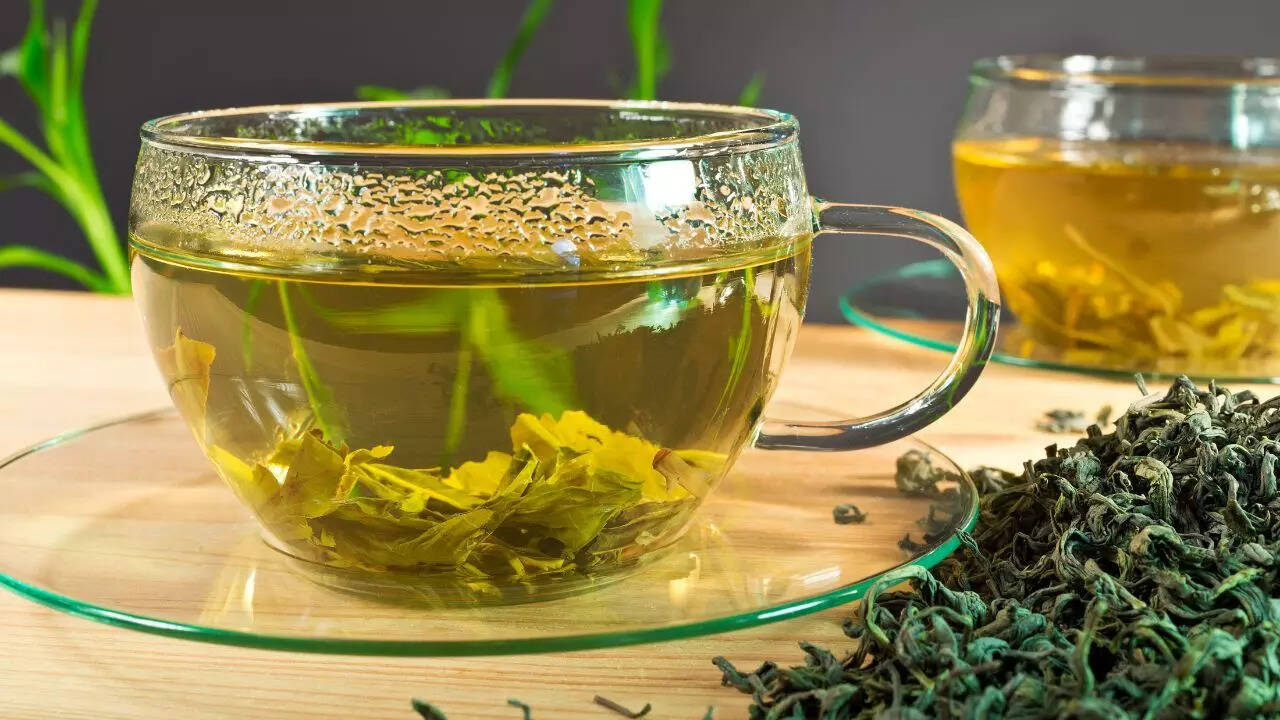
The health properties of Japanese green tea extract stem from how the raw leaves are processed. Unlike black or oolong teas, which are left to oxidize in the air, authentic Japanese green teas—such as Sencha, Matcha, and Gyokuro—are quickly steamed after harvest. This rapid heating stops the plant’s natural enzymes from breaking down its most valuable compounds, locking in a high concentration of antioxidants.
The resulting extract contains three primary types of active compounds:
-
Catechins (Flavan-3-ols): These are the polyphenolic antioxidants responsible for most of the tea’s health benefits. The standout molecule here is epigallocatechin-3-gallate (EGCG), which has been studied extensively for its role in cellular metabolism.
-
Methylxanthines: This is primarily caffeine, a natural stimulant that helps jumpstart central nervous system activity and works in tandem with the tea’s antioxidants.
-
Amino Acids: Specifically, L-theanine, an amino acid that crosses the blood-brain barrier to promote mental clarity and help smooth out the sharp, jittery spikes often caused by caffeine.
| Bioactive Compound Class | Estimated Total Yield in Extract | Primary Biological Role |
| Catechins (including EGCG) | 60% – 80% | Cellular antioxidant support, enzyme inhibition |
| Methylxanthines (Caffeine) | 10% – 15% | Central nervous system stimulation, metabolic pacing |
| L-Theanine & Free Amino Acids | 5% – 10% | Neurotransmitter balance, cognitive smoothing |
| Chlorophyll & Trace Minerals | ~5% | Structural plant co-factors |
The environment where the tea is grown also alters these chemical ratios. Matcha and Gyokuro are intentionally grown under shade cloths for several weeks before harvest. Restricting sunlight slows down the process that converts amino acids into catechins. Because of this, shaded Japanese teas produce extracts higher in L-theanine and caffeine, while sun-grown varieties like Sencha develop the highest concentrations of EGCG.
How It Works: The Biological Mechanisms of Fat Loss
Green tea extract does not magically melt away fat cells. Instead, it alters specific enzymatic pathways that dictate how your body stores, manages, and burns energy.
1. Keeping Norepinephrine Alive (The COMT Pathway)
Your body uses a hormone and neurotransmitter called norepinephrine to signal fat cells to break down stored triglycerides into usable energy. To keep your nervous system from redlining, an enzyme called catechol-O-methyltransferase (COMT) quickly steps in to degrade norepinephrine and calm things down.
This is where EGCG comes into play. It acts as a natural COMT inhibitor. By temporarily blocking this enzyme, EGCG keeps norepinephrine active in your system for longer. This extends the chemical signal telling your body to release stored fat for fuel, particularly during exercise.
2. Flipping the Metabolic Master Switch (AMPK)
Once absorbed, green tea catechins interact with adenosine monophosphate-activated protein kinase (AMPK), an enzyme often described as the body’s master metabolic switch.
Activating AMPK shifts cells away from energy storage and toward energy expenditure. When this switch is flipped, it dials down the genes responsible for creating new fat cells (lipogenesis) and turns up the pathways that transport fatty acids into your mitochondria, where they can be burned for fuel.
3. Reducing Calorie Absorption in the Gut
Some of the work happens before the extract even hits your bloodstream. High concentrations of EGCG can bind to pancreatic lipase and alpha-amylase, the digestive enzymes your body uses to break down dietary fats and complex carbohydrates in the small intestine. By reducing the efficiency of these enzymes, a small fraction of the macronutrients you eat passes through your digestive tract without being fully absorbed, slightly lowering your net calorie intake from meals.
THE TRIPLE-MECHANISM METABOLIC PATHWAY
| 1. COMT Inhibition | -> Prolongs Norepinephrine Signaling | -> Sustains Fat Burning |
| 2. AMPK Activation | -> Stimulates Mitochondrial Beta-Oxidation | -> Increases Energy Output |
| 3. Enzyme Suppression | -> Blocks Pancreatic Lipase & Amylase | -> Lowers Calorie Absorption |
What the Clinical Data Says: Efficacy vs. Real-World Results
If you look only at laboratory or animal studies, green tea extract looks like an incredibly potent weight loss tool. In a petri dish, scientists can flood cells with high amounts of catechins. But human biology introduces a major challenge: poor bioavailability.
When you swallow a green tea capsule, the EGCG must survive stomach acid, cross the intestinal wall, and pass through the liver. Only a tiny fraction of the catechins you consume makes it into your bloodstream to actually influence your metabolism.
The Major Meta-Analyses
To find out how well these supplements work in real life, we have to look at large-scale human trials. A definitive systematic review published in the Cochrane Database of Systematic Reviews analyzed data from 15 randomized controlled trials involving 1,945 participants over 12 to 13 weeks.
The researchers found that adults taking standardized green tea preparations experienced a small, modest amount of weight loss compared to those taking a placebo. However, the difference was so minor that the authors concluded it was unlikely to make a meaningful clinical difference in a person’s health on its own.
Another comprehensive meta-analysis looked at whether a person’s ethnicity or geographic background changed their response to the extract. The researchers separated the data into different cohorts to see if genetic variations played a role.
| Population Group | Average Weight Change over 12 Weeks | Clinical Significance |
| Asian Cohorts | -0.81 kg (-1.78 lbs) | Not statistically significant |
| Caucasian Cohorts | -0.73 kg (-1.60 lbs) | Not statistically significant |
| Combined Sample (BMI Change) | -0.31 points | Not statistically significant |
The numbers show that while there was a tiny reduction in overall fat mass across the board, the drop in actual body weight did not reach statistical or clinical significance for any group.
Why Results Vary From Person to Person
The reason some smaller studies show positive trends while large reviews remain neutral comes down to individual lifestyle, genetics, and daily habits:
-
Your Daily Caffeine Habit: If you already drink multiple cups of coffee or energy drinks daily, you have likely built up a high tolerance to stimulants. This tolerance can blunt the thermogenic boost that occurs when caffeine and EGCG work together.
-
Exercise Synergy: Green tea extract appears to work best when paired with physical activity. Clinical data suggests that taking the extract before a workout helps optimize fat oxidation and glucose management far better than taking the supplement while remaining sedentary.
-
The COMT Gene: Because EGCG works by blocking the COMT enzyme, your personal genetics matter. People who naturally have a highly active form of the COMT gene clear out norepinephrine rapidly, meaning they may respond differently to green tea supplements than those with lower baseline enzyme activity.
Safety and Your Liver: What You Need to Know
Because green tea is a natural, widely consumed beverage, many people assume its concentrated supplement form is entirely harmless. But compressing several cups’ worth of raw plant material into a single daily capsule alters how it interacts with your organs, specifically your liver.
Understanding Hepatotoxicity
While EGCG acts as an antioxidant at normal levels, taking it in extremely high doses can cause it to act as a pro-oxidant instead. In high concentrations, it can cause cellular stress within liver cells (hepatocytes).
The European Food Safety Authority (EFSA) conducted an extensive safety review of green tea catechins across human clinical trials. Their expert panel established a clear boundary for consumer safety:
The EFSA Safety Threshold: Taking doses equal to or greater than 800 mg of EGCG per day via dietary supplements triggers a statistically significant increase in serum transaminases (ALT and AST). These elevated liver enzymes are standard clinical markers for liver stress and cellular injury.
While a traditional cup of brewed green tea delivers a modest 90 mg to 300 mg of EGCG, some commercial fat-burning supplements pack 500 mg to 1,000 mg of concentrated EGCG into a single daily serving.
EGCG DOSAGE AND LIVER SAFETY ZONES
| Daily Dosage Range | Common Source | Clinical Safety Status |
| 90 mg – 300 mg | Traditional Brews | Excellent Safety Profile |
| 300 mg – 799 mg | Standard Extracts | Generally Tolerated |
| 800 mg + | High-Dose Pill | Hepatotoxicity Risk |
The Fasting Factor
How you take your supplement matters just as much as the dose. Toxicological reports show that taking green tea extract on an empty stomach drastically changes how your body handles EGCG, causing a sharp surge in bioavailability.
When you fast, your liver’s natural clearing mechanisms can become overwhelmed by a sudden bolus dose of catechins, allowing them to flood your hepatic tissue and increasing the risk of irritation. Because of this, the United States Pharmacopeia (USP) issued a mandatory warning label for all standardized, decaffeinated green tea extract preparations.
UNITED STATES PHARMACOPEIA (USP) MANDATORY CONSUMER WARNING
“Do not take on an empty stomach. Take with food. Do not use if you have a liver problem and discontinue use and consult a healthcare practitioner if you develop symptoms of liver trouble, such as abdominal pain, dark urine, or jaundice.”
Genetic Vulnerabilities
Severe liver reactions to green tea extract are relatively rare, and researchers believe individual genetics play a substantial role in who is vulnerable.
During the Minnesota Green Tea Trial, researchers monitored 1,075 postmenopausal women who took a high daily dose of green tea extract (843 mg of EGCG) for a full year. They found that women with specific variations in their COMT and UGT1A4 genes—which dictate how the body processes and clears out foreign compounds—experienced a sharp spike in liver enzymes compared to those with standard genetic variations. This shows why a dose that causes no issues for one person might cause liver stress in another.
A Quick Comparison of Japanese Tea Extractions
If you are choosing an extract, understanding the different varieties can help you match the supplement to your specific goals and tolerance levels.
| Tea Variety | Cultivation Style | EGCG Levels | Caffeine Levels | Primary Use Case |
| Sencha Extract | Grown in open sunlight to maximize polyphenol yield. | Highest | Moderate | Best for targeting metabolic pathways and COMT inhibition. |
| Matcha Extract | Shaded for weeks; uses the entire stone-ground leaf. | Moderate to High | High | Provides a more pronounced energy boost and thermogenic synergy. |
| Gyokuro Extract | Deeply shaded; uses delicate, early-season leaves. | Low to Moderate | Very High | Rich in L-theanine; best for mental focus with less stimulant edge. |
| Standard GTE | Mass-cultivated, standard processing. | Variable | Variable | General antioxidant support; check the label for exact standardization. |
Smart Buying and Usage Guidelines
If you decide to try a Japanese green tea extract, look at it as a subtle, supportive tool for your lifestyle rather than a standalone weight loss solution. Use these guidelines to keep your routine safe and effective:
1. Read the Supplement Facts Label
Ignore the marketing slogans on the front of the bottle and flip it over to check the ingredients.
-
Look for exact numbers: Avoid supplements that only list “green tea powder.” Look for formulas that state the exact amount of EGCG or total catechins (for example: “Standardized to 45% EGCG”).
-
Count the milligrams: Make sure the total daily dose stays well below the 800 mg safety ceiling. A dose of 200 mg to 400 mg of EGCG per day is plenty to get the metabolic benefits without putting unnecessary stress on your liver.
2. Always Take It with a Meal
Never take concentrated green tea capsules first thing in the morning on an empty stomach. Always take your supplement alongside a meal that contains a source of healthy fat. This slows down nutrient absorption, allowing your liver to process the catechins safely and gradually.
3. Pay Attention to Your Body
Listen to your system. If you notice unusual fatigue, nausea, dark urine, stomach discomfort, or a yellowing of your skin or eyes, stop taking the supplement immediately and talk to a healthcare professional.
FAQ Section
Can green tea extract cause weight loss without diet changes?
Clinical trials indicate that green tea extract does not drive meaningful weight loss on its own if your diet and activity levels stay the same. It is designed to complement a calorie-controlled diet and regular exercise, not replace them.
What is the maximum safe daily dose of EGCG?
The European Food Safety Authority advises keeping your supplemental EGCG intake well below 800 mg per day to avoid liver irritation. Most clinical guidelines suggest sticking to a modest daily range of 200 mg to 400 mg.
Is drinking green tea just as good as taking a pill?
Brewed green tea is fantastic for hydration, steady energy, and long-term health benefits. Supplements are simply a highly concentrated version of those same compounds. While a pill makes it easier to get a targeted dose of EGCG, it requires much stricter safety habits than drinking the traditional beverage.
Why does green tea extract give me the jitters?
That jittery feeling comes from the natural caffeine present in the tea leaves. If you are highly sensitive to caffeine, look for a certified decaffeinated green tea extract that provides standardized EGCG without the stimulants.
Can green tea extract harm my liver?
High doses of green tea extract can cause liver stress or toxicity in certain people, particularly if taken on an empty stomach or if you have a genetic vulnerability in your detoxification pathways. Taking it with food and monitoring your dosage prevents most issues.
Key Takeaways
-
Sustained Signaling: Japanese green tea extract works primarily by slowing down the COMT enzyme, which preserves norepinephrine and helps maintain your body’s natural fat-burning signals.
-
Modest Real-World Efficacy: Large human clinical reviews show that green tea extract provides very modest weight loss benefits. It is a minor assistant to a healthy lifestyle, not a quick fix.
-
Take with Food: Consuming 800 mg or more of EGCG daily can overwork your liver. Always take your supplement with a meal—never on an empty stomach—to ensure safe, smooth absorption.
-
Genetic Variations: How well you process green tea catechins depends on your personal lifestyle, baseline caffeine tolerance, and genetic markers like the COMT and UGT1A4 genes.
Scientific References
-
Acosta, L., Byham-Gray, L., Kurzer, M., & Samavat, H. (2022). Hepatotoxicity with High-Dose Green Tea Extract: Effect of Catechol-O-Methyltransferase and Uridine 5’-Diphospho-glucuronosyltransferase 1A4 Genotypes. Journal of Dietary Supplements, 20(6), 850–869. https://www.tandfonline.com/doi/full/10.1080/19390211.2022.2128501
-
Baladia, E. (2014). Effect of green tea or green tea extract consumption on body weight and body composition: systematic review and meta-analysis. Nutrición Hospitalaria, 29(3), 571–590.
-
Capasso, L., De Masi, L., Sirignano, C., Maresca, V., Basile, A., Nebbioso, A., Rigano, D., & Bontempo, P. (2025). Epigallocatechin Gallate (EGCG): Pharmacological Properties, Biological Activities and Therapeutic Potential. Molecules, 30(3), 654. https://www.mdpi.com/1420-3049/30/3/654
-
Jurgens, T. M., Whelan, A. M., Killian, L., Doucette, S., Kirk, S., & Foy, E. (2012). Green tea for weight loss and weight maintenance in overweight or obese adults. Cochrane Database of Systematic Reviews, 2012(12), CD008650. https://www.cochranelibrary.com/cdsr/doi/10.1002/14651858.CD008650.pub2/full
-
Lee, H., Kim, H., & Byun, S. (2024). A review of the effect of green tea extract against obesity. Food Science and Biotechnology, 1–15. https://link.springer.com/article/10.1007/s10068-024-01778-8
-
Oketch-Rabah, H. A., Roe, A. L., Rider, C. V., Bonkovsky, H. L., Giancaspro, G. I., Navarro, V., Paine, M. F., Betz, J. M., Marles, R. J., Casper, S., Gurley, B., Jordan, S. A., He, K., Kapoor, M. P., Rao, T. P., Sherker, A. H., Fontana, R. J., Rossi, S., Vuppalanchi, R., Seeff, L. B., Stolz, A., Ahmad, J., Koh, C., Serrano, J., & Low Dog, T. (2020). United States Pharmacopeia (USP) comprehensive review of the hepatotoxicity of green tea extracts. Toxicology Reports, 7, 386–402. https://www.sciencedirect.com/science/article/pii/S2214750019306596?via%3Dihub
-
Yang, C. S., Zhang, J., Zhang, L., Huang, J., & Wang, Y. (2015). Mechanisms of body weight reduction and metabolic syndrome alleviation by tea. Molecular Nutrition & Food Research, 60(1), 160–174. https://onlinelibrary.wiley.com/doi/10.1002/mnfr.201500428
-
Younes, M. (2018). Scientific opinion on the safety of green tea catechins. EFSA Journal, 16(4), e05239.