A distinctive health trend has emerged across social media platforms and wellness forums, captured by the phrase “horse gelatin trick for men.” Promoted via viral videos and bold digital advertisements, this practice is frequently marketed as a cheap, natural “male enhancement” alternative capable of boosting stamina, enhancing circulation, elevating testosterone, and restoring youthful vitality.
However, as with many viral wellness trends, the marketing claims frequently outpace the underlying science. To understand whether horse gelatin—or gelatin from any animal source—can truly optimize male health, we must look past the sensationalized headlines and analyze the biological mechanisms at play.
Gelatin is a protein derived from the partial hydrolysis of collagen, a structural matrix found in animal connective tissues, bones, and skin. While gelatin does offer documented nutritional benefits, the specific claims surrounding “horse gelatin” require rigorous, objective evaluation. This article examines the biological reality of gelatin supplementation, addresses the specific claims made about male performance, provides an evidence-based approach to utilizing collagenous proteins, and details a safe, alternative gelatin recipe.
Understanding the Biology of Gelatin and Collagen
To evaluate the validity of the horse gelatin trend, it is essential to first understand what gelatin is and how the human body processes it.
Gelatin is comprised of 98% to 99% protein by dry weight. However, it is classified as an incomplete protein because it lacks the essential amino acid tryptophan. Its distinct health attributes are derived not from being a complete protein, but from its highly concentrated, unique amino acid profile.
The Amino Acid Blueprint of Mammalian Gelatin
Regardless of whether gelatin is derived from bovine (cattle), porcine (pig), marine (fish), or equine (horse) sources, it contains a characteristic distribution of amino acids:
-
Glycine (approx. 27%): The simplest amino acid, which acts as a fundamental inhibitory neurotransmitter in the central nervous system and serves as a precursor to glutathione, the body’s primary endogenous antioxidant.
-
Proline and Hydroxyproline (approx. 30% combined): Critical structural components required for the endogenous synthesis of human collagen, maintaining the structural integrity of blood vessels, skin, and cartilage.
-
Glutamic Acid (approx. 11%): A precursor to glutamate, the primary excitatory neurotransmitter, and a key factor in intestinal cellular health.
When a person consumes gelatin, the gastrointestinal tract does not absorb the animal collagen whole. Proteolytic enzymes in the stomach and small intestine break the long peptide chains down into individual amino acids, dipeptides, and tripeptides. These components are then absorbed into the bloodstream and distributed to the body’s systemic amino acid pool.
Scientific Reality: Your body cannot differentiate whether an absorbed molecule of glycine or proline originated from a horse, a cow, a chicken, or a plant-based combination. The physiological destination of these amino acids is determined by metabolic demand, not by the animal source from which they were harvested.
Analyzing the Claims: Does the “Horse Gelatin Trick” Work for Men?
The marketing infrastructure surrounding the “horse gelatin trick for men” asserts that equine-derived gelatin possesses unique bioactive properties that specifically target male reproductive and physiological systems. Below, we break down these assertions using published clinical data and physiological realities.
Claim 1: It Drastically Enhances Nitric Oxide and Nitric Oxide-Mediated Blood Flow
The Premise: Promoters argue that horse gelatin rapidly elevates systemic Nitric Oxide (NO) production, dilating blood vessels and directly improving erectile function and physical stamina.
The Evidence: Nitric oxide production in the human vascular endothelium depends heavily on the amino acid L-arginine and its synergistic partner, L-citrulline. While gelatin contains modest amounts of L-arginine (roughly 7-8%), it is not an exceptionally rich source compared to other foods.
| Food Source (100g) | Approximate Arginine Content |
| Pumpkin Seeds | 5.3 grams |
| Turkey Breast | 2.3 grams |
| Chicken Breast | 2.1 grams |
| Gelatin (Powdered) | 2.0 to 2.4 grams |
| Soy Protein Isolate | 6.7 grams |
A clinical study published in the American Journal of Clinical Nutrition demonstrates that while ingesting specific amino acids can influence metabolic responses, gelatin alone does not provoke a massive, targeted spike in nitric oxide superior to other standard dietary proteins. The cardiovascular benefits observed from long-term gelatin intake are more accurately attributed to glycine’s mild anti-inflammatory effects on the vascular wall, rather than an immediate, acute vasodilatory event.
Claim 2: It Raises Free Testosterone Levels
The Premise: It is claimed that equine gelatin signals the Leydig cells in the testes to increase natural testosterone production, while simultaneously freeing “bound” testosterone from Sex Hormone-Binding Globulin (SHBG).
The Evidence: There are zero peer-reviewed clinical trials or animal models demonstrating that horse gelatin—or any form of gelatin—directly modulates testosterone synthesis or alters SHBG binding affinity.
The indirect mechanism by which gelatin might support hormonal homeostasis involves systemic inflammation. Chronic systemic inflammation and elevated cortisol (the primary stress hormone) are well-documented suppressors of the hypothalamic-pituitary-gonadal (HPG) axis, which regulates testosterone production.
The high concentration of glycine in gelatin has been shown in animal models to mitigate oxidative stress and lower pro-inflammatory cytokines like TNF-alpha and IL-6. By reducing structural and systemic inflammation, the body may maintain its baseline testosterone production more efficiently. However, labeling gelatin as a direct “testosterone booster” is a significant scientific overstatement.
Claim 3: It Accelerates Recovery Times and Enhances Physical Power
The Premise: Consuming horse gelatin reduces the refractory period between physical exertions and dramatically speeds up muscle and joint tissue repair.
The Evidence: This claim possesses a degree of legitimate scientific backing, though it applies universally to gelatin and is not exclusive to equine sources.
A landmark study conducted by researchers at the University of California, Davis, published in the American Journal of Clinical Nutrition, investigated the effects of intermittent gelatin supplementation combined with Vitamin C on human collagen synthesis.
-
Methodology: Active participants consumed either 5 or 15 grams of gelatin enriched with Vitamin C, or a placebo, before engaging in high-impact exercise.
-
Findings: The group consuming 15 grams of gelatin exhibited significantly elevated levels of amino acids (glycine, proline, hydroxyproline) in their blood profile. This increase led to a measurable surge in collagen synthesis markers (such as PINP) in the connective tissues, accelerating the repair of ligaments, tendons, and cartilage.
For active men, enhanced connective tissue synthesis means fewer joint micro-traumas, reduced activity-related joint pain, and improved structural resilience. While this enhances overall physical capacity, it is a structural benefit rather than an immediate aphrodisiac or hormonal shift.
Why “Horse” Gelatin? Deconstructing the Equine Myth
If the physiological benefits of gelatin are achieved through basic amino acids, why has the word horse become so prominent in this trend?
-
The Equine Hoof Association: Historically, horse owners have fed pure gelatin granules to horses to treat brittle hooves and support joint health in performance animals. Over time, colloquial discussions regarding the physical strength, stamina, and virility of horses became conflated with the supplement itself.
-
Marketing Novelty and the “Shock Factor”: In a saturated digital supplement marketplace, standard keywords like “bovine collagen” or “bone broth” face extreme competition. Introducing a term like the “horse gelatin trick” creates natural curiosity, leading to higher click-through rates and viral engagement on video platforms.
-
Ambiguous Branding: Many modern products marketed online as “Horse Gelatin for Male Enhancement” do not actually contain equine tissue. A close inspection of their nutritional labels reveals they are often standard bovine or porcine gelatin capsules blended with common herbal aphrodisiacs like L-arginine, Maca Root, Zinc, or Tribulus Terrestris. The word “Horse” is frequently used as a branding adjective intended to imply strength, rather than an ingredient source.
Human Health Benefits of Gelatin: What the Science Supports
While the sensational claims surrounding male enhancement are largely unfounded, daily gelatin consumption offers legitimate, evidence-based health advantages for men.
1. Joint Mitigation and Cartilage Integrity
Osteoarthritis and activity-related joint degeneration are common concerns for aging men. Cartilage is composed primarily of collagen. A 24-week randomized, double-blind, placebo-controlled trial published in Current Medical Research and Opinion evaluated the impact of collagen hydrolysate (gelatin) on athletes experiencing activity-related joint pain.
The results demonstrated a statistically significant reduction in joint pain both at rest and during physical activity among the collagen group compared to the placebo. This occurs because the ingested amino acids populate the extracellular matrix of articular cartilage, stimulating chondrocytes to synthesize new tissue.
2. Metabolic Regulation and Blood Sugar Management
Glycine plays a significant role in metabolic homeostasis. Research in the journal Metabolism indicates that dietary glycine supplementation stimulates a robust release of insulin-like hormones without increasing blood glucose levels. In individuals with Type 2 diabetes or insulin resistance, the glycine found in gelatin can improve glucose clearance from the bloodstream and suppress systemic inflammatory markers associated with metabolic syndrome.
3. Gut Barrier Support
The human intestinal lining consists of a single layer of epithelial cells secured by tight junctions. When these junctions are compromised—often referred to as increased intestinal permeability—systemic inflammation can occur. Amino acids like glutamic acid and glycine are heavily utilized by the cells of the gastrointestinal tract to repair and reinforce this mucosal barrier, thereby optimizing nutrient absorption and reducing systemic toxic load.
Nutritional Evaluation: Gelatin vs. Other Collagen Forms
| Feature | Gelatin (Standard Powder) | Hydrolyzed Collagen | Bone Broth |
| Processing Stage | Partially broken down by heat/water (hydrolysis) | Highly processed via enzymatic hydrolysis | Long-term simmering of animal bones and connective tissues |
| Molecular Weight | High; forms a thick gel when cooled | Low; dissolves easily in cold liquids | Variable; dependent on cooking time and ingredients |
| Bioavailability | Moderate to high; requires gastric enzyme digestion | Maximum; pre-digested for rapid absorption | Moderate; requires standard digestive processes |
| Primary Use | Cooking, gummies, baking, targeted gut therapeutics | Post-workout shakes, daily coffee stirs | Whole-food nutrition, digestive health support |
The Safe, Science-Backed Alternative: A High-Quality Gelatin Recipe
If you are interested in incorporating gelatin into your diet to support joint health, recovery, and overall vascular integrity, skip the unverified “horse gelatin” products sold on suspicious websites. Instead, utilize high-quality, food-grade grass-fed bovine or marine gelatin, which are pure, regulated, and free from industrial contamination.
The following recipe is designed to maximize amino acid absorption by pairing standard gelatin with Vitamin C (which acts as a mandatory co-factor for human collagen synthesis) and mild circulatory supports.
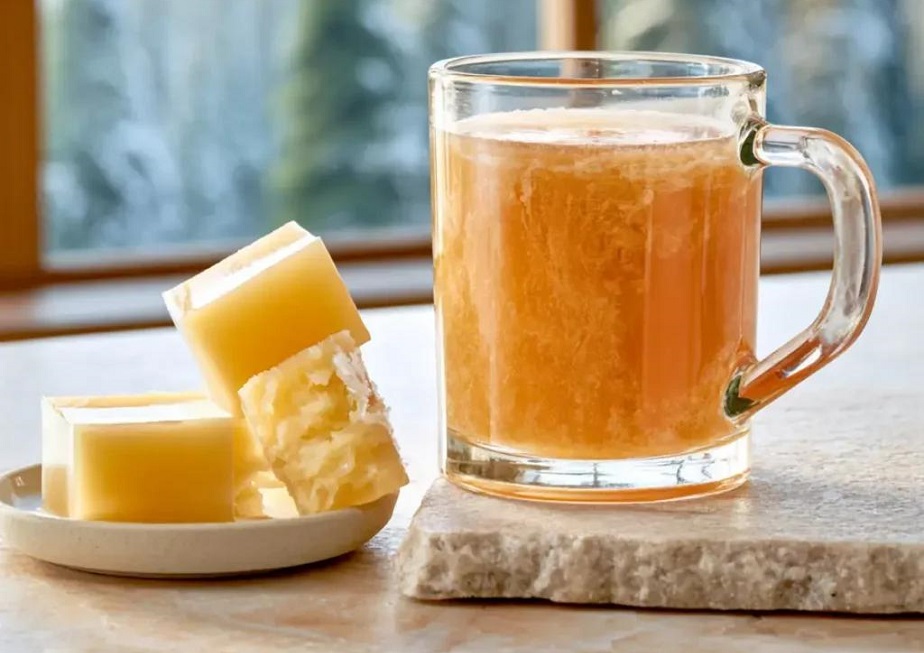
The Citrus-Ginger Collagen Optimization Drink
Ingredients:
-
1 tablespoon (approx. 10–15 grams) of unflavored, grass-fed bovine gelatin powder.
-
1/2 cup of warm (not boiling) water or brewed ginger tea (gingerols provide potent anti-inflammatory effects).
-
1/2 cup of fresh-squeezed orange juice or lemon juice (supplying essential Vitamin C).
-
1 teaspoon of raw honey (optional, for taste).
-
A tiny pinch of high-quality mineral sea salt (to supply trace electrolytes).
Step-by-Step Preparation Protocol:
-
Bloom the Gelatin: Pour 1/4 cup of room-temperature water or cooled ginger tea into a glass. Sprinkle the 1 tablespoon of gelatin powder evenly over the surface. Allow it to sit undisturbed for 3 to 5 minutes. The gelatin will absorb the water, swelling into a thick, wrinkled paste. This process ensures smooth dissolution without unpalatable clumping.
-
Dissolve with Warm Liquid: Pour the remaining 1/4 cup of hot (around 70°C to 80°C) water or ginger tea over the bloomed gelatin matrix. Stir continuously for 60 seconds until the granules completely dissolve into a translucent, smooth liquid. Avoid boiling water, as extreme temperatures can degrade the structural integrity of some peptide links.
-
Introduce the Co-Factors: Pour in the 1/2 cup of fresh-squeezed citrus juice, raw honey, and mineral salt. Stir thoroughly.
-
Consumption Window: Drink the mixture immediately while warm. If left to cool to room temperature or placed in a refrigerator, the gelatin will set, turning the liquid into a solid jelly or gummy consistency.
Ideal Timing for Performance:
For optimal physical recovery and joint benefits, consume this drink 45 to 60 minutes prior to physical training or a focused workout session. This timing allows the gastrointestinal tract to absorb the amino acids, ensuring peak systemic levels are available in the bloodstream exactly when mechanical stress is applied to your tendons and joints.
Safety, Adverse Effects, and Quality Controls
Before initiating any intensive dietary supplementation strategy, it is critical to evaluate potential risks, limitations, and ethical dimensions.
Quality and Regulatory Disparities
Pure equine gelatin intended for human consumption is exceedingly rare and largely unregulated in the traditional consumer market. Purchasing raw industrial bulk gelatin marketed for animal or veterinary use (such as horse hoof treatments) poses severe health risks. Veterinary-grade products are not subjected to the strict heavy metal screening, pathogen testing, or purity metrics mandated for human-grade foodstuffs. They may contain elevated levels of arsenic, lead, or biological contaminants.
Potential Side Effects
For most individuals, consuming up to 10–15 grams of human-grade gelatin daily is completely safe. Reported side effects are generally mild and localized to the digestive system, including:
-
A persistent, unpleasant aftertaste.
-
Mild bloating or a sensation of abdominal fullness.
-
Heartburn or mild indigestion if consumed in excess without adequate hydration.
Contraindications
-
Gout and Hyperuricemia: Gelatin is rich in amino acids that can influence metabolic pathways. Individuals with severe kidney disease or a history of gout should consult a medical professional before drastically increasing their daily protein or gelatin intake.
-
Dietary Restrictions: Gelatin is strictly an animal-derived product. It is entirely incompatible with vegan, vegetarian, halal, or kosher diets depending on the specific animal origin and slaughter methods utilized.
Summary and Key Takeaways
-
The Myth Exploded: The “horse gelatin trick” is largely a clever marketing strategy. There is no scientific evidence proving that horse-derived gelatin outperforms bovine, porcine, or marine gelatin for human health.
-
No Direct Enhancement: Ingesting gelatin does not instantly boost testosterone, raise nitric oxide levels, or act as a primary cure for erectile dysfunction.
-
Legitimate Joint Support: Gelatin is highly rich in glycine, proline, and hydroxyproline. When taken regularly, it is clinically proven to reduce joint pain, improve tendon elasticity, and support overall tissue recovery.
-
The Vitamin C Synergy: To successfully synthesize new collagen, your body requires Vitamin C alongside gelatin. Combining them before exercise optimizes joint tissue repair.
-
Prioritize Human-Grade Safety: Avoid unverified online products or veterinary supplements. Use pure, regulated grass-fed bovine or marine collagen powders to ensure your safety and avoid heavy metal contamination.
Frequently Asked Questions (FAQ)
Q. What is the “horse gelatin trick” for men?
The phrase refers to a viral wellness trend claiming that consuming horse gelatin—or supplements marketed under that name—can boost male libido, increase stamina, improve blood flow, and naturally elevate testosterone levels. Clinically, these direct claims are unproven and largely driven by marketing novelty.
Q. Is horse gelatin safe for human consumption?
Standard human-grade gelatin derived from any healthy animal is safe. However, purchasing veterinary-grade gelatin meant for horses’ hooves is highly dangerous. These animal-grade products are not screened for heavy metals, pesticides, or bacterial contaminants to human standards. Always stick to human-grade bovine, porcine, or marine gelatin.
Q. Can gelatin improve erectile function or libido?
Gelatin does not have specific, immediate aphrodisiac or vasodilatory properties. It contains modest amounts of L-arginine, which supports blood flow, but not enough to act as an acute treatment for erectile dysfunction. Any long-term circulatory benefit comes from the broad anti-inflammatory effects of its amino acids on overall vascular health.
Q. How long does it take to see results from gelatin supplementation?
For joint health, ligament resilience, and skin hydration, clinical trials generally note measurable improvements within 4 to 8 weeks of consistent daily use (typically 10 to 15 grams per day), provided it is paired with a balanced diet and regular physical activity.
Q. Is there a plant-based alternative to gelatin?
True gelatin is derived exclusively from animal collagen. Plant-based gelling agents like agar-agar, carrageenan, or pectin can mimic the texture of gelatin in recipes, but they have completely different carbohydrate structures and do not provide the specific, collagen-building amino acid profile of animal gelatin.
Scientific References
-
University of California, Davis Study: Shaw, G., Lee-Barthel, A., Ross, M. L., Wang, B., & Baar, K. (2017). Vitamin C-enriched gelatin supplementation before intermittent activity augments collagen synthesis. The American Journal of Clinical Nutrition, 105(1), 136–143.
-
Joint Pain and Athletes Trial: Clark, K. L., Sebastianelli, W., Flechsenhar, K. R., et al. (2008). 24-Week study on the use of collagen hydrolysate as a dietary supplement in athletes with activity-related joint pain. Current Medical Research and Opinion, 24(5), 1485–1496.
-
Glycine and Metabolic Response: Gannon, M. C., Nuttall, J. A., & Nuttall, F. Q. (2002). The metabolic response to ingested glycine. Metabolism: Clinical and Experimental, 51(10), 1302–1310.
-
Osteoarthritis Clinical Trial: McAlindon, T. E., Nuite, M., Krishnan, N., et al. (2011). Change in knee osteoarthritis cartilage detected by delayed gadolinium-enhanced magnetic resonance imaging of cartilage following treatment with collagen hydrolysate: a pilot randomized controlled trial. Osteoarthritis and Cartilage, 19(4), 399–405.