Address
304 North Cardinal
St. Dorchester Center, MA 02124
Work Hours
Monday to Friday: 7AM - 7PM
Weekend: 10AM - 5PM
Address
304 North Cardinal
St. Dorchester Center, MA 02124
Work Hours
Monday to Friday: 7AM - 7PM
Weekend: 10AM - 5PM
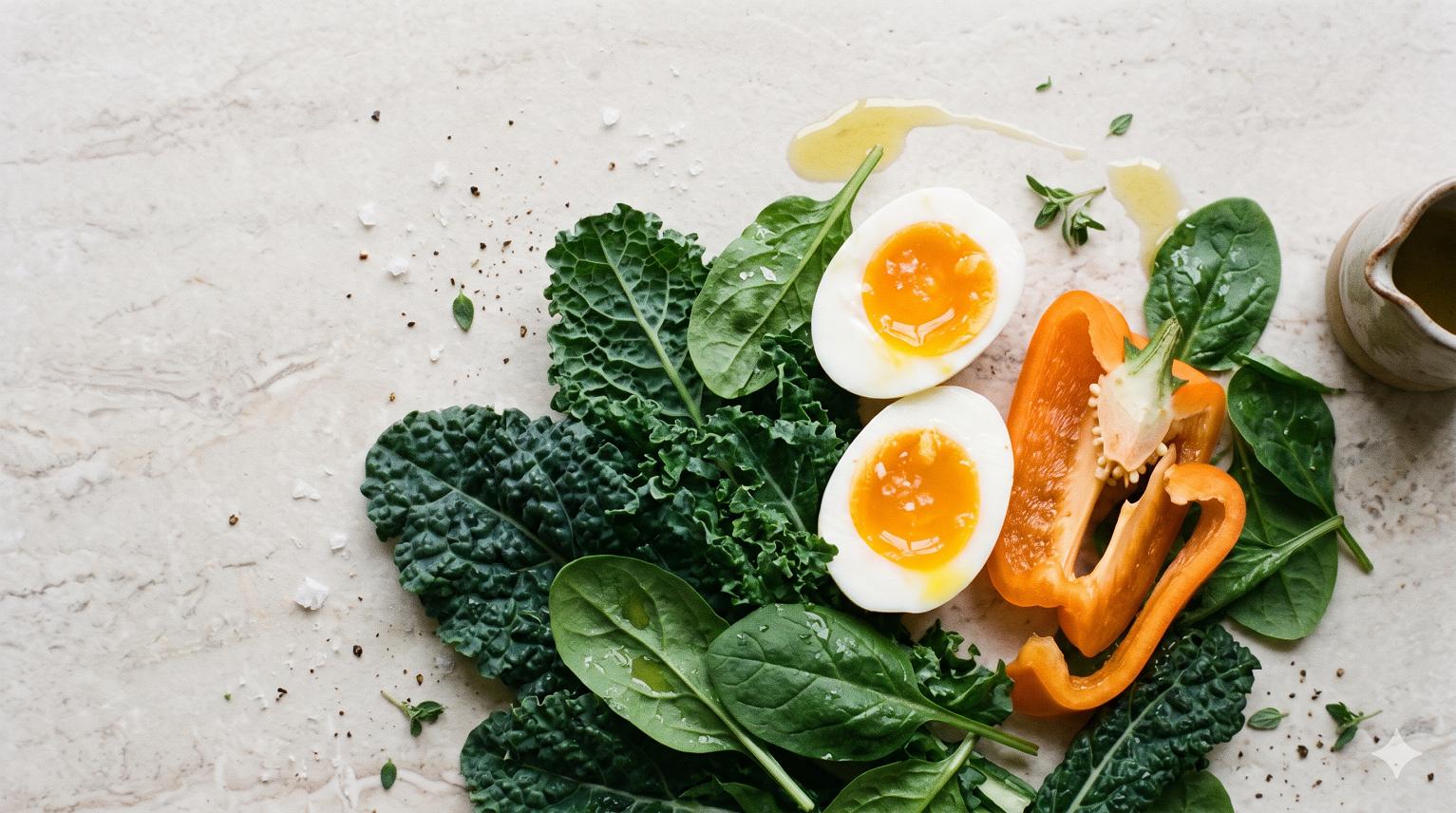
Walk down any pharmacy supplement aisle, and you will see lutein and zeaxanthin prominently displayed on bottles promising sharper vision, protection from screens, and defense against age-related eye disease. Unlike many trendy supplements backed only by test-tube studies, these two nutrients have been studied in some of the largest, most rigorous clinical trials in ophthalmology.
Still, the gap between what the research proves and what supplement labels imply can be wide. Understanding what lutein and zeaxanthin actually do in the eye—and where the clinical evidence is strong, mixed, or still emerging—can help you make informed decisions about your diet and whether a supplement makes sense for you.
Lutein and zeaxanthin are xanthophylls, a subgroup of yellow-to-orange plant pigments known as carotenoids. While more than 600 carotenoids exist in nature and dozens appear in the human diet, only lutein, zeaxanthin, and a closely related compound called meso-zeaxanthin accumulate in high concentrations in the human retina.
Because the human body cannot synthesize these compounds, every milligram in your eyes must come from food or supplements. Once absorbed, they concentrate heavily in the macula—the small, central region of the retina responsible for sharp, straight-ahead vision needed for reading, driving, and recognizing faces. Together, they form what researchers call macular pigment.
Scientists believe macular pigment protects retinal tissue through two primary mechanisms:
Filtering high-energy blue light: Macular pigment absorbs short-wavelength blue light before it reaches the delicate photoreceptor cells underneath. Estimates suggest dense macular pigment can filter a substantial fraction of incoming blue light.
Neutralizing oxidative stress: The retina has one of the highest metabolic rates in the body and is constantly exposed to light and oxygen, making it vulnerable to free radical damage. Lutein and zeaxanthin act as local antioxidants, quenching reactive oxygen species before they can damage cell membranes.
The most compelling clinical evidence for lutein and zeaxanthin involves age-related macular degeneration (AMD), a leading cause of irreversible vision loss in adults over 50.
Most clinical guidance comes from the Age-Related Eye Disease Study 2 (AREDS2), a large, multi-center randomized controlled trial conducted by the National Eye Institute (NEI), part of the National Institutes of Health (NIH). Published in JAMA in 2013, the trial followed more than 4,000 participants aged 50 to 85 who already had intermediate AMD or advanced AMD in one eye.
Researchers tested whether adding 10 mg of lutein and 2 mg of zeaxanthin to the original AREDS vitamin formula (which contained vitamins C and E, zinc, copper, and beta-carotene) improved outcomes. They also tested removing beta-carotene, which had previously been linked to an increased risk of lung cancer in current and former smokers.
Key findings from AREDS2 and its 10-year follow-up study (published in JAMA Ophthalmology in 2022) include:
Reduced risk of progression: The updated AREDS2 formula containing 10 mg lutein and 2 mg zeaxanthin reduced the risk of progressing from intermediate to advanced AMD by roughly 25% over five years compared with placebo benchmarks from the original trial.
Safer and more effective than beta-carotene: Replacing beta-carotene with lutein and zeaxanthin eliminated the elevated lung cancer risk for former smokers while providing a modest additional reduction in AMD progression compared with the beta-carotene version.
Long-term benefit: The 10-year follow-up confirmed that participants assigned to lutein and zeaxanthin maintained a lower risk of late-stage AMD without an increase in lung cancer incidence.
The AREDS2 results are frequently overstated in marketing materials. The trial did not show that lutein and zeaxanthin:
Prevent AMD from developing in people with healthy eyes.
Slow progression in people with very early-stage AMD.
Reverse existing vision loss or restore damaged retinal tissue.
If you have been diagnosed with intermediate AMD or advanced AMD in one eye, an ophthalmologist will typically recommend a specific AREDS2-formulated supplement. For healthy adults hoping to prevent AMD altogether, observational studies suggest that diets rich in leafy greens are associated with lower risk, but randomized trials have not proven that taking pills achieves the same preventive effect.
Beyond AMD, researchers have investigated lutein and zeaxanthin for several other eye conditions. Here, the distinction between observational data and clinical trials becomes especially important.
Cataracts—the gradual clouding of the eye’s natural lens—are strongly linked to cumulative oxidative stress. Large observational studies, including long-term analyses from the Nurses’ Health Study and the Health Professionals Follow-up Study, have found that people who eat the most lutein- and zeaxanthin-rich foods tend to have a lower risk of developing cataracts.
However, observational studies cannot prove cause and effect; people who eat plenty of spinach and kale also tend to smoke less, exercise more, and have better overall nutrition. When tested directly in the AREDS2 randomized clinical trial, lutein and zeaxanthin supplements did not reduce the overall risk of progression to cataract surgery.
One nuance emerged in subgroup analysis: participants who had the lowest dietary intake of lutein and zeaxanthin at the start of the trial did see a modest reduction in cataract surgery risk when taking the supplements. This suggests supplementation may mainly help fill a nutritional gap rather than offer extra protection to people who already eat a nutrient-dense diet.
Many over-the-counter eye vitamins target office workers and gamers, claiming lutein and zeaxanthin shield the eyes from computer and smartphone screens. The science here is far less settled.
Several small, short-term randomized trials have reported that supplementing with lutein and zeaxanthin (often alongside meso-zeaxanthin) can increase macular pigment optical density and produce modest improvements in glare recovery, contrast sensitivity, and self-reported eye fatigue.
That said, the American Academy of Ophthalmology (AAO) emphasizes that digital eye strain is primarily caused by how we use screens—specifically, blinking less frequently and holding a fixed near focus for hours—rather than blue light damaging the retina. There is currently no clinical evidence that blue light from consumer digital devices causes permanent retinal disease in humans. Adjusting screen ergonomics, taking regular breaks (such as the 20-20-20 rule), and using lubricating eye drops remain the most effective ways to manage screen-related discomfort.
Currently, there is no official Recommended Dietary Allowance (RDA) or Adequate Intake established for lutein or zeaxanthin. Most adults in the United States and other Western countries consume roughly 1 to 3 mg per day through their regular diet—well below the 10 mg of lutein and 2 mg of zeaxanthin used in the AREDS2 trial.
For most healthy adults, getting these carotenoids from whole foods is the preferred approach. Whole foods deliver a complex matrix of fiber, vitamins, and other plant compounds that work together, and dietary intake carries no risk of over-supplementation.
| Food Source | Serving Size | Approximate Lutein + Zeaxanthin | Key Nutritional Note |
| Kale (cooked) | 1 cup | 15–20 mg | One of the richest known dietary sources |
| Spinach (cooked) | 1 cup | 12–20 mg | Cooking concentrates volume and improves absorption |
| Turnip greens (cooked) | 1 cup | 12 mg | High in vitamin K and folate |
| Collard greens (cooked) | 1 cup | 11–14 mg | Dense source of macular carotenoids |
| Swiss chard (cooked) | 1 cup | 10–11 mg | Milder flavor alternative to kale |
| Green peas (cooked) | 1 cup | 4 mg | Accessible, kid-friendly option |
| Sweet corn (cooked) | 1 cup | 1.5–2 mg | Notably rich in zeaxanthin compared with leafy greens |
| Egg yolk | 1 large yolk | 0.2–0.3 mg | Lower total amount, but exceptionally high bioavailability |
| Pistachios | 1 ounce | 0.3–0.4 mg | Contains natural fats that aid absorption |
Note: Exact carotenoid levels vary based on soil, growing conditions, and preparation methods.
Lutein and zeaxanthin are fat-soluble, meaning your digestive tract absorbs them poorly without dietary fat. Eating a plain spinach salad with fat-free dressing will yield far less absorption than sautéing spinach in olive oil or pairing greens with avocado, nuts, or salmon.
Eggs are a standout example of this principle. Although an egg yolk contains far less lutein than a cup of kale, the natural lipids in the yolk make its carotenoids significantly easier for the body to absorb and transport into the bloodstream. Lightly steaming or sautéing dark leafy greens also helps break down tough plant cell walls, releasing more lutein for absorption.
Lutein and zeaxanthin have a strong safety profile. Clinical trials using doses up to 20 mg of lutein daily over several years have not identified serious toxicity or major adverse events.
Still, a few practical precautions apply:
Carotenodermia: Taking high doses of carotenoids over an extended period can cause a harmless, reversible yellowing of the skin (most noticeable on the palms and soles). Reducing the dose resolves the discoloration.
Supplement quality: In the United States, dietary supplements are not reviewed by the FDA for safety or effectiveness before they are marketed. If your doctor recommends a supplement, look for products verified by independent third-party testing organizations such as USP, NSF International, or ConsumerLab.
Check the full AREDS2 label: Full AREDS2 formulas contain high doses of zinc (80 mg) and vitamin E (400 IU), which can cause gastrointestinal upset or interact with certain medications (such as blood thinners or specific antibiotics). Do not take a full AREDS2 formula unless an eye care professional has confirmed it is appropriate for your stage of AMD.
Avoid beta-carotene if you smoke or used to smoke: If you are a current or former smoker, ensure any eye supplement you choose is explicitly beta-carotene-free.
Supplements are never a substitute for comprehensive, dilated eye exams. Many serious eye conditions—including early macular degeneration, glaucoma, and diabetic retinopathy—develop silently without noticeable symptoms until permanent damage has occurred.
Seek prompt evaluation from an optometrist or ophthalmologist if you experience any of the following:
Sudden blurring, dimming, or loss of vision in one or both eyes.
Straight lines (such as doorframes or text lines) appearing wavy, bent, or distorted.
A dark, blurry, or empty spot in the center of your vision.
A sudden increase in floaters, flashes of light, or a shadow moving across your field of view.
Persistent eye pain, redness, or sensitivity to light.
If you increase your intake through diet or supplements, blood levels of lutein and zeaxanthin typically rise within a few weeks. However, measurable increases in macular pigment density inside the retina take longer—generally 3 to 6 months of consistent daily intake.
No. Lutein and zeaxanthin cannot correct refractive errors like nearsightedness, farsightedness, or astigmatism, nor will they eliminate the need for glasses or contact lenses. Their primary role is protecting retinal tissue and supporting long-term visual function, such as contrast sensitivity and glare recovery.
Yes. Because both compounds are fat-soluble, taking a supplement alongside a meal that contains healthy fats (such as eggs, olive oil, nuts, or fish) significantly improves how much your body absorbs compared with taking it on an empty stomach.
Meso-zeaxanthin is the third carotenoid found in the macula, where the retina can naturally convert lutein into meso-zeaxanthin. While some newer supplements include all three carotenoids, the landmark AREDS2 trial achieved its results using only lutein (10 mg) and zeaxanthin (2 mg). More long-term comparative research is needed to determine whether adding meso-zeaxanthin offers meaningful clinical advantages.
For general eye health, yes. Eating a cup of cooked spinach or kale several times a week—paired with eggs, corn, and colorful vegetables—can easily provide 6 to 15 mg or more on those days. However, people with intermediate AMD who need the exact, consistent AREDS2 dosage (10 mg lutein and 2 mg zeaxanthin plus specific levels of vitamins C, E, zinc, and copper) typically cannot achieve that precise therapeutic formula through diet alone.
Lutein and zeaxanthin occupy a rare space in nutrition science: they are backed by a clear biological mechanism and a landmark clinical trial, yet they are still frequently oversold. For people with intermediate or advanced age-related macular degeneration, an AREDS2-formulated supplement containing lutein and zeaxanthin is a proven, evidence-based tool to help slow disease progression. For everyone else, the smartest investment in long-term vision isn’t a pricey bottle of pills—it’s a regular habit of eating dark leafy greens with healthy fats, protecting your eyes from UV light, avoiding smoking, and keeping up with routine dilated eye exams.
Medical Disclaimer: This article is for informational and educational purposes only and is not intended as medical advice, diagnosis, or treatment. Always consult a qualified ophthalmologist, optometrist, or healthcare provider before starting any new dietary supplement, especially if you have an existing eye condition, take prescription medications, or are a current or former smoker.